You do not strictly need Armenian to travel in Armenia. Russian is widely understood, and in Yerevan you will find English in hotels, cafes and among younger people. But a handful of phrases genuinely changes how you are treated, and outside the capital they stop being optional. If you learn only three, make them barev dzez (hello), shnorhakalutyun (thank you) and inchqan arzhe (how much is it). The rest of this phrasebook fills in the situations where those three run out.
One thing to settle first, because it trips people up. The Armenian spoken in Armenia is Eastern Armenian. The Armenian you may have heard from diaspora communities in Los Angeles, Beirut or Paris is usually Western Armenian, a distinct standard with its own pronunciation and some different everyday words. Both are real Armenian and mutually understandable with effort, but the phrases below are the Eastern forms you will actually hear in Yerevan, at Lake Sevan and in the villages. If you want the story of the script itself, we cover that separately in our guide to the Armenian alphabet and language; this page is strictly about talking to people.
Do you actually need to speak Armenian?
No, not to get by. But a little goes a long way. Here is the honest breakdown of what to expect:
- Russian is very widely spoken across all generations and regions. If you already know some, it will carry you almost anywhere.
- English is common in central Yerevan, tourist sites and among people under about 35. It thins out fast in regional towns and villages.
- Armenian is the standard everywhere, and even a mangled barev earns real warmth. In rural areas a phrasebook or a translation app is worth having, because you may meet neither English nor much patience for guessing.
A note on the pronunciations here: they are deliberately simplified so you can read them aloud and be understood, not a strict linguistic transcription. Stress in Armenian usually falls on the last syllable. Read the romanised column as plain English sounds and you will be close enough.
Greetings and courtesy
Start here. These are the phrases you will use dozens of times a day, and they are the ones that make locals visibly warm up.
| English | Armenian | Pronunciation |
|---|---|---|
| Hello (informal) | Բարև | barev |
| Hello (polite/formal) | Բարև ձեզ | barev dzez |
| Good morning | Բարի լույս | bari luys |
| Good evening | Բարի երեկո | bari yereko |
| Goodbye | Ցտեսություն | tstesutyun |
| Thank you | Շնորհակալություն | shnorhakalutyun |
| Thanks (casual) | Մերսի | mersi |
| Please / you’re welcome | Խնդրեմ | khndrem |
| Yes | Այո | ayo |
| No | Ոչ | voch |
| Excuse me / sorry | Ներողություն | neroghutyun |
| My name is… | Իմ անունը… է | im anuny … e |
| How are you? | Ինչպես եք | inchpes ek |
| I’m fine / good | Լավ եմ | lav em |
Two small but useful points. Barev dzez is the polite plural you use with strangers, shopkeepers and anyone older; drop to plain barev with people your own age or younger. And you will hear mersi for “thanks” constantly, borrowed from French and completely normal in everyday speech. The full shnorhakalutyun is a mouthful but sounds sincere and is worth practising.
Getting around and shopping
These cover directions, taxis, markets and the small back-and-forth of buying things. Inchqan arzhe (“how much is it”) is the workhorse of any market or taxi negotiation.
| English | Armenian | Pronunciation |
|---|---|---|
| Where is…? | Որտեղ է… | vortegh e |
| How much is it? | Ինչքան արժե | inchqan arzhe |
| Do you speak English? | Անգլերեն խոսում եք | angleren khosum ek |
| I don’t understand | Չեմ հասկանում | chem haskanum |
| Where is the toilet? | Որտեղ է զուգարանը | vortegh e zugarany |
| How do I get to…? | Ինչպես հասնեմ… | inchpes hasnem |
| Stop here, please | Այստեղ կանգնեք, խնդրեմ | aystegh kangnek, khndrem |
| Expensive | Թանկ | tank |
| Cheap | էժան | ejan |
A practical tip for shopping: prices in shops and supermarkets are fixed, so inchqan arzhe is really for markets, taxis you did not book through an app, and small vendors. If you use the GG or Yandex Go taxi apps, the fare is shown before you book and there is nothing to negotiate, which is exactly why we recommend them over street-hailing.
Numbers you can actually use
Numbers matter most when a price is said aloud rather than shown. You do not need all of them, but knowing one to ten plus “hundred” and “thousand” lets you follow a quoted price in dram.
| Number | Armenian | Pronunciation |
|---|---|---|
| 1 | մեկ | mek |
| 2 | երկու | yerku |
| 3 | երեք | yerek |
| 4 | չորս | chors |
| 5 | հինգ | hing |
| 6 | վեց | vets |
| 7 | յոթ | yot |
| 8 | ութ | ut |
| 9 | ինը | iny |
| 10 | տասը | tasy |
| 100 | հարյուր | haryur |
| 1000 | հազար | hazar |
Food and drink
Armenians take hospitality and the table seriously, and these phrases are the ones that get smiles. If a host pours you something, kenats (cheers) is the word you want, and hamov e (“it’s delicious”) is the compliment that lands every time.
| English | Armenian | Pronunciation |
|---|---|---|
| Water | Ջուր | jur |
| Bread | Հաց | hats |
| Coffee | Սուրճ | surch |
| Tea | Թեյ | tey |
| Wine | Գինի | gini |
| Delicious | Համով է | hamov e |
| Cheers! | Կենաց | kenats |
| The bill, please | Հաշիվը, խնդրեմ | hashivy, khndrem |
| I don’t eat meat | Միս չեմ ուտում | mis chem utum |
That last one is genuinely useful. Armenian cuisine has a strong meat-free tradition, but some soups and stuffed dishes use meat stock, so it helps to say plainly that you do not eat meat, or to ask for the Lenten pasuts versions of dishes like tolma. Vegetarians will not go hungry, but a clear phrase saves confusion.
Emergencies and health
You are very unlikely to need these, since street crime is low, but keep them where you can find them. The single most important word is ognutyun (help). For reference, the general emergency number in Armenia is 112.
| English | Armenian | Pronunciation |
|---|---|---|
| Help! | Օգնություն | ognutyun |
| I need help | Ինձ օգնություն է պետք | indz ognutyun e petq |
| Call a doctor | Բժիշկ կանչեք | bzhishk kanchek |
| Hospital | Հիվանդանոց | hivandanots |
| Pharmacy | Դեղատուն | deghatun |
| Police | Ոստիկանություն | vostikanutyun |
| I am lost | Ես մոլորվել եմ | yes molorvel em |
Eastern vs Western Armenian, and getting by with Russian or English
It is worth understanding the Eastern and Western split a little more, because it explains why an app or a diaspora friend’s Armenian might sound slightly off from what you hear on the street. The two standards diverged over the last couple of centuries, and the most noticeable everyday difference for a traveler is pronunciation. A classic example is the greeting itself: it is written the same way, but Eastern speakers in Armenia say it with a hard b at the start (barev), where Western speakers tend toward a softer p sound (parev). Several consonants shift like this between the two. Vocabulary mostly overlaps, so you will be understood either way, but the versions in this guide are the Eastern ones you will actually hear in Armenia.
In practice, most visitors lean on a mix. In Yerevan, English gets you through hotels, better restaurants and most tourist-facing situations. Step onto a marshrutka to a regional town, buy fruit at a roadside stand, or ask directions in a village, and the odds of English drop sharply while Russian and Armenian rise. If you speak any Russian at all, it is often the most reliable common language with older people anywhere in the country. If you do not, this phrasebook plus a translation app covers the gap. The pattern to remember is simple: the further you get from central Yerevan, the more your Armenian phrases earn their keep.
A few honest tips on using this phrasebook
Save these where they work offline. Mobile data in Armenia is cheap and coverage in populated areas is good, but you do not want to be hunting for a translation app in a village with a patchy signal. Download an offline translation pack, or screenshot this page, before you leave Yerevan.
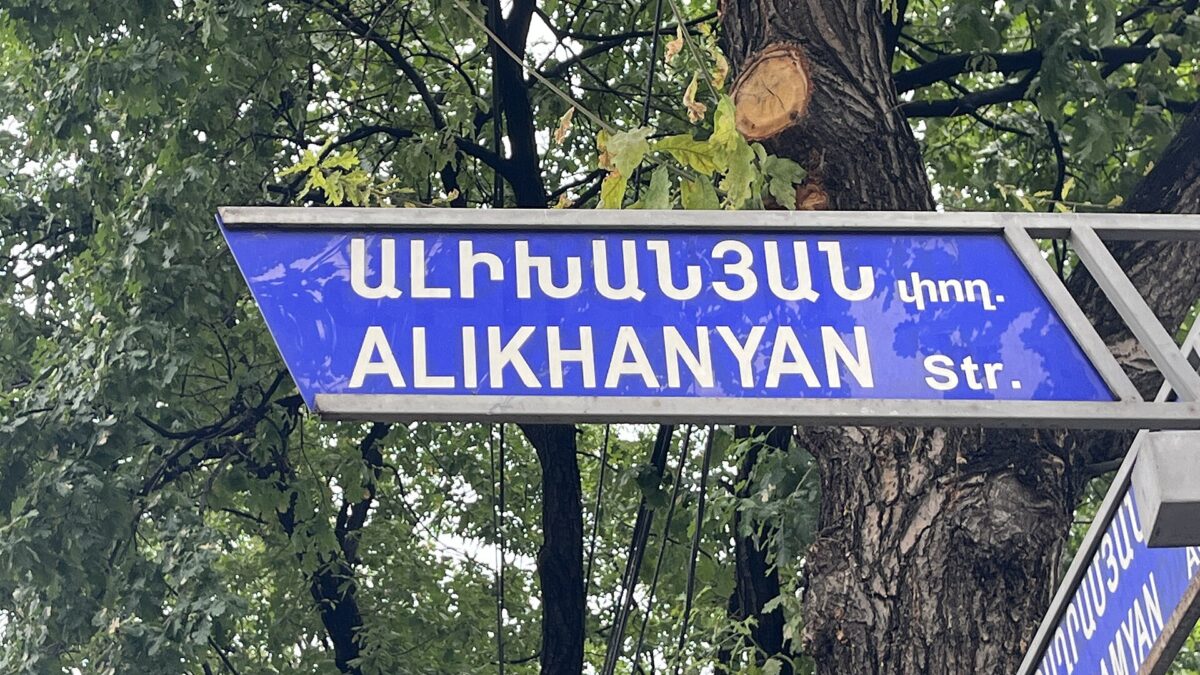
Do not stress about the alphabet for speaking. The romanised column is enough to be understood, and Armenians do not expect visitors to read the script. Recognising a few characters helps with signs, but for conversation your ear and a couple of memorised phrases matter far more.
Finally, lead with the greeting. Walking into a shop or a taxi with barev dzez before anything else is the small courtesy that reliably turns a transaction into a warmer exchange. It is the highest-value phrase in this entire list.
Last verified: September 2026.
Sources
- Armenia Travel (armenia.travel) — official national tourism portal, language and practical information.
- Touristik.am — Armenia tourism information, language notes.
Frequently asked questions
Do I need to learn Armenian to travel in Armenia?
No. Russian is widely understood across the country and English is common in central Yerevan, at tourist sites and among younger people. That said, a few words of Armenian earns real warmth, and a phrasebook or offline translation app is genuinely useful in regional towns and villages where English is limited.
Is the Armenian spoken in Armenia the same as diaspora Armenian?
Not quite. Armenia uses Eastern Armenian, while most diaspora communities (Los Angeles, Beirut, Paris) speak Western Armenian, a distinct standard with different pronunciation and some different everyday words. They are mutually understandable with effort, but the phrases you will actually hear in Yerevan are the Eastern forms.
How do you say hello and thank you in Armenian?
Hello is barev (informal) or barev dzez (polite). Thank you is shnorhakalutyun, though the borrowed French mersi is used constantly in casual speech. A greeting before anything else is the single most valuable phrase for a visitor.
What is the most useful phrase for shopping or taxis?
Inchqan arzhe, meaning ‘how much is it’. It is most needed at markets, with small vendors and in unmetered taxis. Shop and supermarket prices are fixed, and if you use the GG or Yandex Go apps the fare is shown before you book, so there is nothing to negotiate.
How do I ask for the emergency services in Armenian?
The key word is ognutyun (help). To call a doctor say bzhishk kanchek, and for police say vostikanutyun. The general emergency number in Armenia is 112. Street crime is low, so you are unlikely to need these, but keep them accessible.
Featured image: Benoît Prieur, CC0 — via Wikimedia Commons.