Culture & History
Armenian Carpets & Rugs: See and Buy Them
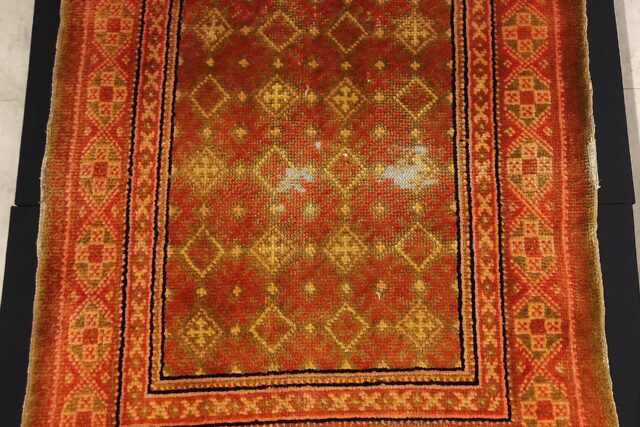
Armenian carpets, their dragon-rug motifs, where to see them at Yerevan's Megerian factory-museum, and how to buy one at the…
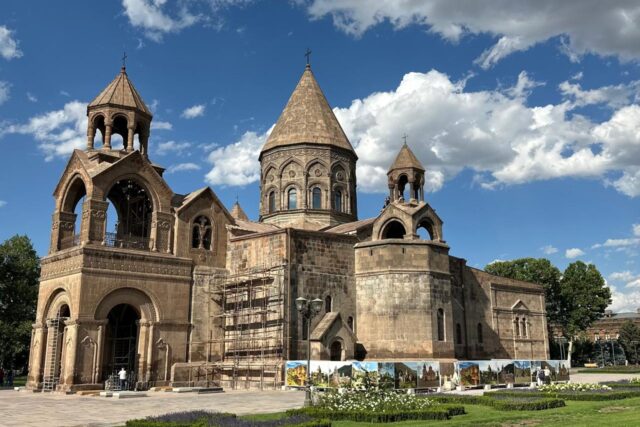
Read the guide →Armenia was the first nation to adopt Christianity as a state religion, in 301 AD, and its distinct alphabet, khachkar stone crosses, duduk music and monastery architecture all flow from a long, often difficult history. This section explores the culture behind the sights: the story of Echmiadzin and the early church, the Armenian alphabet and Mesrop Mashtots, the Genocide memorial at Tsitsernakaberd and how to visit it respectfully, and the traditions — food, music, craft — that shape daily life today. Context that makes everything else you see mean more.
Armenian carpets, their dragon-rug motifs, where to see them at Yerevan's Megerian factory-museum, and how to buy one at the…
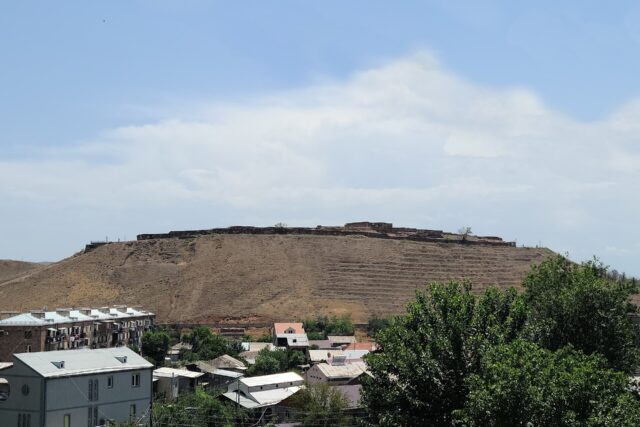
Read the guide →One of the world's oldest civilisations: from Urartu and the first Christian nation (301 AD) through the 1915 Genocide to…
Read the guide →Why Mount Ararat is Armenia's national symbol: Noah's Ark, the coat of arms, the twin peaks now in Turkey, and…
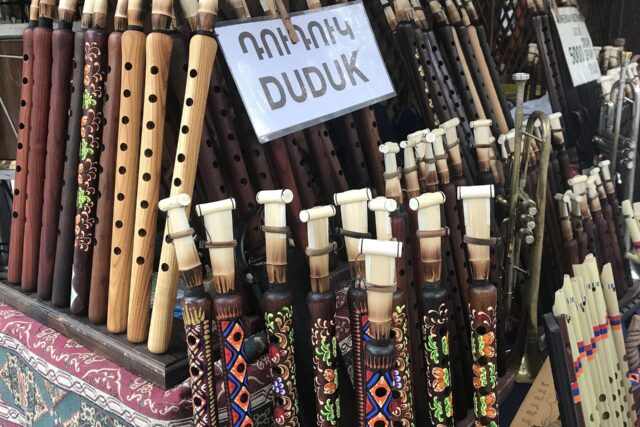
Read the guide →The duduk is Armenia's apricot-wood double-reed and a UNESCO heritage instrument. What it is, its haunting sound, Komitas, and where…
Read the guide →What khachkars are, why they matter, and where to see Armenia's finest carved cross-stones, from Noratus cemetery to Goshavank monastery.
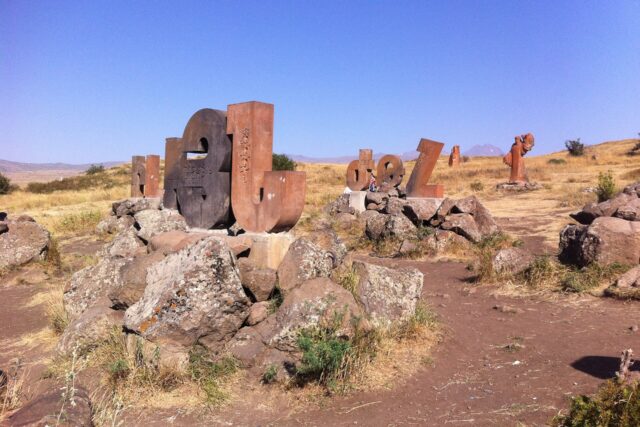
Read the guide →The Armenian alphabet was created around 405 AD by Mesrop Mashtots. The story of the script, the Matenadaran, and the…
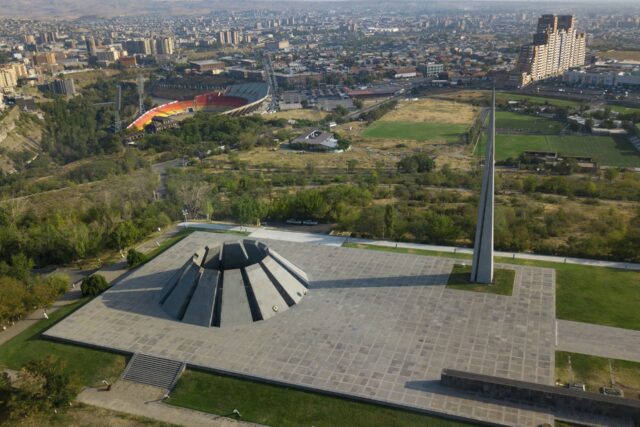
Read the guide →Tsitsernakaberd, the Armenian Genocide Memorial in Yerevan, is free to visit. A guide to its meaning, the museum, hours and…
Read the guide →Armenia adopted Christianity as its state religion in 301 AD, before any other country. Here's the history, the key figures,…
Read the guide →