Travel insurance is mandatory for anyone applying for an Armenian e-visa or sticker visa — that requirement has been in force since around November 2024, and the official e-visa portal (evisa.mfa.am) will ask for proof of medical cover before it issues the visa. If your passport lets you enter Armenia visa-free (most US, UK, EU, Canadian, Australian and Russian passports get up to 180 days a year), the government does not force you to buy a policy — but given Armenia’s mountain roads, hiking, skiing and thin rural healthcare, going without it is a genuine gamble. Below is who legally needs it, what a good Armenia policy has to cover, and the one exclusion that quietly voids a lot of claims here.
Is travel insurance mandatory for Armenia?
It depends entirely on how you enter the country. There are two clear groups.
If you need a visa (e-visa or embassy sticker)
Insurance is a hard requirement. Since roughly November 2024, valid travel or medical insurance covering your stay is one of the documents you must supply for an Armenian e-visa, alongside your passport and photo. This applies to nationalities that are not visa-exempt — including Indian passport holders, who cannot get a visa on arrival at any Armenian checkpoint and must arrange the e-visa in advance. If you fall in this group, you cannot skip the policy: no proof of cover, no visa. Because the exact wording, minimum cover amount and accepted document formats can change, confirm the current requirement on the official portal at the time you apply rather than trusting a blog (including this one) or a third-party visa agent.
If you enter visa-free
Armenia does not legally require you to hold insurance to be admitted. That is the letter of the rule. In practice, treat cover as close to essential anyway, for the reasons in the next section — and re-check current entry rules before you fly, because visa and insurance policy has moved more than once in the last two years.
Why you should insure an Armenia trip even when it’s optional
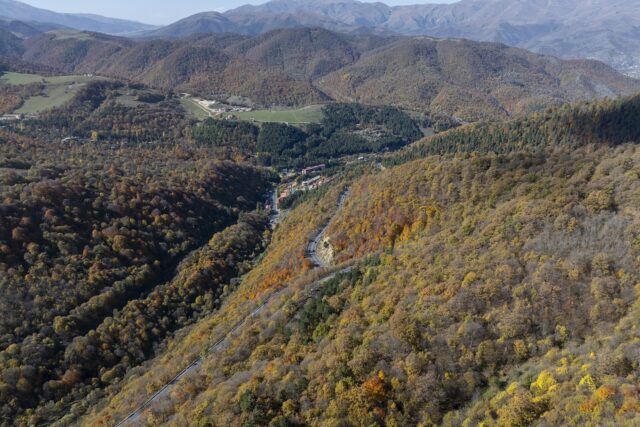
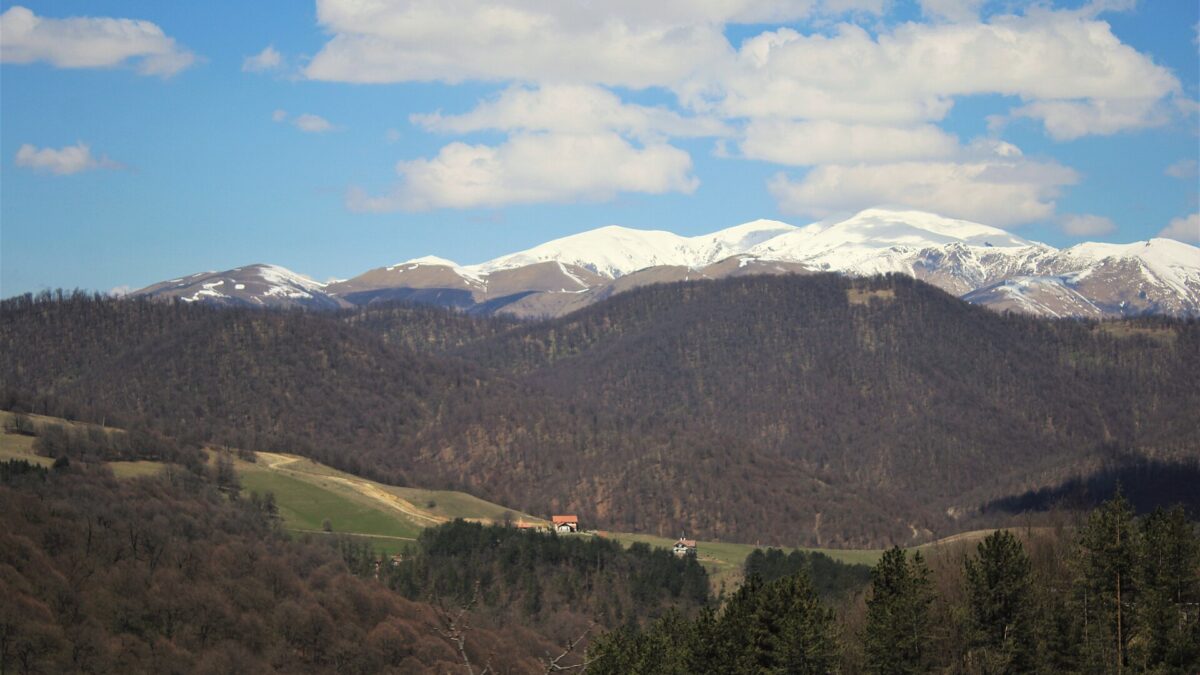
Armenia is a small, mountainous country, and most of what draws people here — monasteries reached by long drives, canyon hikes, the Wings of Tatev cable car, winter skiing — sits well outside a well-equipped hospital. That geography is the whole argument for cover.
- Healthcare is uneven. Yerevan has decent private clinics and hospitals, several used to treating foreigners. Once you leave the capital and the main towns, facilities get basic fast. For a serious injury or illness in a remote region, the thing that actually matters is not a local clinic bill — it is being transported to Yerevan or repatriated home, which is where the real money is.
- You’ll likely do something “adventurous.” Day hikes on the Transcaucasian Trail, climbing 4,090 m Mount Aragats, skiing at Tsaghkadzor, or simply renting a car and driving mountain roads with potholes, livestock and sparse fuel stops — these are the trip, not an add-on. Many standard policies treat them as extras that must be declared.
- Road travel carries real risk. Marshrutka minibuses, shared taxis and self-drive rentals on winding routes are normal here. Road accidents are one of the most common reasons travellers anywhere end up needing medical evacuation.
- Trips get disrupted. Flights into Yerevan’s single Zvartnots terminal can be delayed or cancelled, bags go astray, and regional weather (August storms, winter snow) can wreck an itinerary you’ve prepaid.
None of this makes Armenia dangerous — Yerevan and the classic tourist route are safe, with low street crime. It simply means that when something goes wrong, the fix is expensive and often involves moving you a long way.
What a good Armenia travel insurance policy should cover
Rather than name insurers or quote prices that go stale, here is the checklist to hold any policy up against. For Armenia specifically, the first two lines matter most.
| Cover | Why it matters in Armenia |
|---|---|
| Emergency medical treatment | Private care in Yerevan is far cheaper than in Western Europe, but a hospital stay still adds up — and you want to be treated without haggling. |
| Medical evacuation & repatriation | The single most important line for Armenia. Getting airlifted or driven from a remote region to Yerevan, or flown home, is what bankrupts the uninsured. |
| Adventure / hiking / skiing activities | Check the altitude limit and the named-activity list. Hiking above a certain height, skiing off-piste, or climbing Aragats may need a specific tier or be excluded by default. |
| Rental car / self-drive | If you plan to drive the south or reach remote monasteries, confirm the policy doesn’t exclude driving, and understand it usually sits alongside — not instead of — the rental firm’s CDW. |
| Trip cancellation & delay | Reimburses prepaid flights, tours and hotels if you cancel for a covered reason or get badly delayed. |
| Baggage & theft | Lost, delayed or stolen luggage and valuables — useful, though secondary to the medical lines. |
| 24/7 emergency assistance line | An English-speaking assistance desk that can coordinate a hospital and an evacuation is worth more than a slightly higher payout ceiling. |
The exclusion that catches Armenia travellers out
This is the one nobody warns you about. Many travel policies will not pay out for incidents in areas your own government advises against visiting. Armenia has exactly such zones: the UK FCDO advises against all travel within 5 km of the eastern Armenia–Azerbaijan border and along the Ijevan–Noyemberyan road, and the US State Department flags parts of far-eastern Gegharkunik and southern Syunik. If you wander into an area under an active “advise against travel” warning, your insurer may legally decline the claim — even for something unrelated to the border. The land border with Azerbaijan is closed, and Nagorno-Karabakh has been under Azerbaijani control since 2023 and is not accessible from Armenia, so it should not be on any itinerary. The practical takeaway: stick to Yerevan and the main tourist route (which are fine), and read your policy’s “war, terrorism and government advisory” clause before you buy. Because these advisories are reviewed and change dates, check your own government’s current travel advice for Armenia the week you leave.
Does my credit card or existing health plan already cover Armenia?
Possibly, but rarely enough on its own — don’t assume. Three things travellers bank on and shouldn’t:
- Domestic health insurance. Most home-country health plans either stop at the border or reimburse only a fraction of overseas costs, and almost none arrange or pay for medical evacuation, which is the expensive part in Armenia. Check whether yours pays hospitals abroad directly or only refunds you later.
- Credit-card travel perks. Premium cards sometimes bundle travel cover, but the medical and evacuation limits are often low, adventure activities are commonly excluded, and you usually must have paid for the trip on that card. Read the certificate rather than the marketing.
- European EHIC/GHIC cards. These do not apply in Armenia — it is not in the EU or the EEA — so they give you nothing here.
If you’re a visa applicant, note that these are also unlikely to produce the standalone insurance certificate the e-visa system asks to see. A dedicated travel policy is usually the cleaner route.
How to choose the right policy
- Match cover to your itinerary. A Yerevan-and-day-trips trip needs less than a Syunik road trip with a summit of Aragats. Declare hikes, skiing and driving up front — undeclared activities are the classic reason a claim is refused.
- Prioritise the evacuation figure. A high medical-evacuation and repatriation limit matters far more in Armenia than a big baggage allowance. Aim for cover that can genuinely move you across the country or home.
- If you need a visa, buy insurance that satisfies the e-visa rule. Make sure the policy covers your full length of stay and produces a document (certificate or letter) you can upload. Verify the accepted format on the official portal before paying.
- Read the advisory exclusion and the excess. Know what you’d pay out of pocket per claim, and confirm the policy doesn’t void itself the moment you approach a flagged region.
- Keep proof on you. Save the policy number and 24/7 assistance number offline on your phone — mobile coverage is patchy in the mountains where you’re most likely to need it.
Armenia isn’t the kind of place where you’re likely to spend the whole trip fretting about safety. It is, though, a place where a twisted ankle on a canyon trail or a fender-bender on a mountain road can turn into a long, costly trip to Yerevan. For visa applicants the choice is already made; for everyone else, evacuation-grade cover is cheap insurance against the one scenario that genuinely hurts. Sort your entry rules first — our Armenia visa guide walks through who needs a visa and how the e-visa works — then match a policy to how far off the main route you actually plan to roam.
Last verified: September 2026.
Sources
- Official Republic of Armenia e-visa portal (evisa.mfa.am) — visa types, documents and the insurance requirement
- armenia.travel — official national tourism site
- UK FCDO travel advice for Armenia and your own government’s current advisory
Frequently asked questions
Is travel insurance mandatory to enter Armenia?
Only for visa applicants. Since around November 2024, anyone applying for an Armenian e-visa or sticker visa must show proof of medical/travel insurance covering their stay. Visitors who enter visa-free (most Western passports, up to 180 days a year) are not legally required to hold it, though it is strongly recommended. Always confirm the current rule on evisa.mfa.am before you apply.
Do Indian travellers need insurance for Armenia?
Yes. Indian passport holders are not visa-exempt and cannot get a visa on arrival, so they must obtain an e-visa in advance — and valid insurance covering the trip is one of the required documents. Buy a policy that covers your full length of stay and produces a certificate you can upload with the application.
How much does travel insurance for Armenia cost?
Prices vary too much by age, trip length, home country and activities to quote a single figure, and any number here would go stale. Focus instead on what the policy covers: prioritise a high medical-evacuation and repatriation limit, and make sure hiking, skiing or driving are included if you’ll do them.
What should an Armenia travel insurance policy cover?
At minimum: emergency medical treatment and, most importantly, medical evacuation and repatriation — since serious cases in rural areas need transport to Yerevan or home. Add adventure-activity cover for hiking, climbing Aragats or skiing, plus trip cancellation, delay, and baggage. A 24/7 English-speaking assistance line is a big plus.
Will my policy cover me near the Azerbaijan border?
Often not. Many policies exclude claims from areas your government advises against visiting, and parts of eastern and southern Armenia near the Azerbaijan border carry such warnings. Yerevan and the main tourist route are fine and covered as normal. Check the advisory exclusion in your policy and read your government’s current advice before travelling.
Is healthcare in Armenia good enough that I can skip insurance?
Yerevan has decent private clinics, but facilities in rural and mountain areas are basic. The real risk isn’t the treatment bill — it’s the cost of being evacuated to the capital or flown home after a serious injury or accident. That’s exactly what insurance is for, which is why it’s worth having even when it isn’t legally required.
Featured image: Beko, CC BY-SA 4.0 — via Wikimedia Commons.