Vanadzor is Armenia’s third-largest city and the capital of the northern Lori province, sitting in a green, forested river valley roughly 125 km and about a two-to-two-and-a-half-hour drive north of Yerevan. It is not a headline sight in its own right. What it is instead is the region’s transport hub and the most sensible base for reaching the UNESCO monasteries of the Debed Canyon and the wider Lori countryside. If you are planning a northern loop or a stop on the way to Georgia, this guide covers how to get there, what is honestly worth your time in town, and how to use the city as a launchpad.
Where is Vanadzor and why visit?
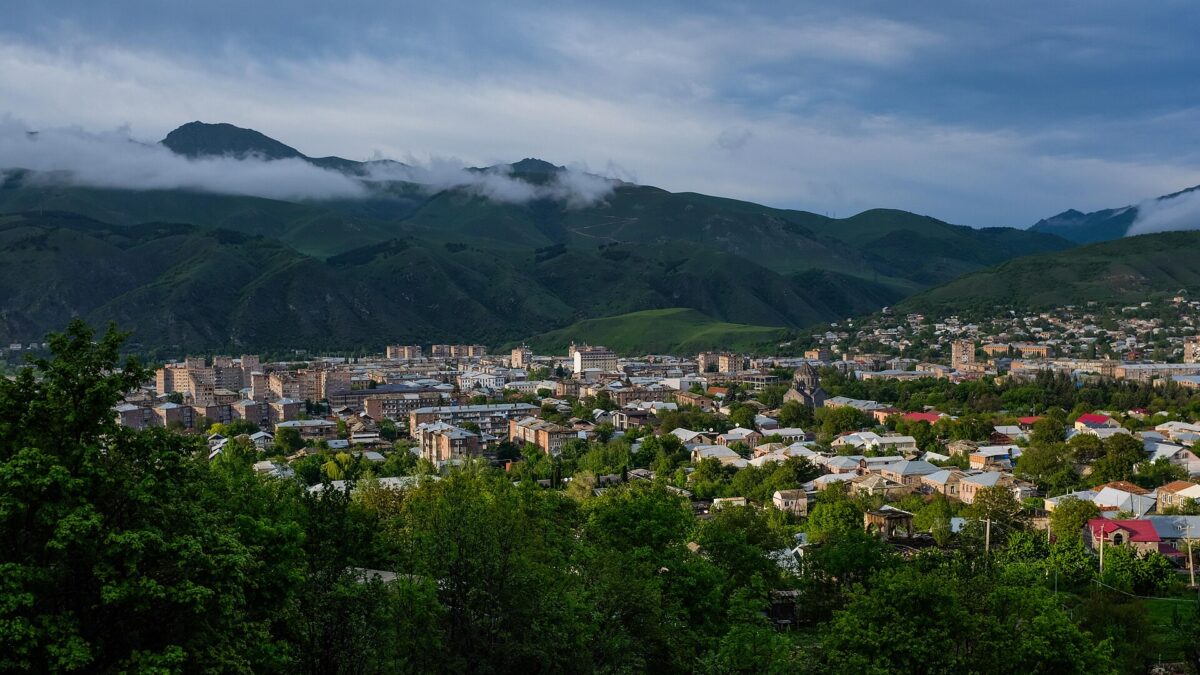
Vanadzor lies in the mountains of northern Armenia, where three rivers meet in a wide valley ringed by forested slopes. The altitude and tree cover give it a noticeably cooler, greener feel than the capital, which is one of its quiet advantages in a hot Armenian summer. It grew into a major industrial centre in the Soviet era, and that heritage still shapes the cityscape: wide avenues, mid-century apartment blocks, a large central square, and public parks.
Set expectations honestly. Vanadzor does not have a marquee attraction on the level of Tatev’s cable car or Khor Virap’s view of Ararat. Its value is practical and regional. You come here to sleep, eat, refuel, and fan out to the genuinely spectacular monasteries and villages of Lori and the Debed Canyon that lie a short drive away. Travellers who treat it as a base rather than a destination tend to leave happy; those expecting a compact tourist old town do not.
How do you get to Vanadzor from Yerevan?
Two realistic options connect Yerevan and Vanadzor: the minibus and the train. Both are cheap by Western standards, and both need a little patience.
By marshrutka (minibus)
The most frequent option is the marshrutka, which typically leaves from Yerevan’s Gai (Northern) bus station in the northeast of the city, the hub for northern and northeastern routes such as Sevan, Dilijan, and Gyumri as well as Vanadzor. Expect a fare of roughly 1,500–2,000 AMD (around USD 4–5.50) and a journey of about 2 to 2.5 hours. Minibuses generally run every 60 to 90 minutes and often leave when full rather than on a fixed clock, so aim for the morning if you want a relaxed choice of departures. You pay the driver in cash; carry small dram, because change for large notes is not guaranteed. All fares here are approximate and can shift, so treat them as ranges rather than fixed prices.
By train (the scenic option)
Vanadzor sits on Armenia’s northern railway line, the same corridor used by the overnight service between Yerevan and Tbilisi. The route climbs through river gorges and forested hills and is one of the more scenic ways to travel in the country. The catch is frequency: long-distance rail in Armenia is limited, and the international service in particular runs on a seasonal, sometimes every-other-day schedule off-peak. Do not build a tight plan around it without confirming the current timetable first. Check departure times, days of operation, and whether Vanadzor is a scheduled stop directly through the official tourism portal (armenia.travel) or the national rail operator before you commit.
By car or shared taxi
A shared taxi from Yerevan is faster than the minibus, leaves when it fills with about four passengers, and costs roughly 1.5 to 2 times the marshrutka fare. Renting a car (broadly USD 25–40 a day for an economy model, plus collision waiver) makes the most sense if you plan to explore the Lori villages and monasteries properly, since several of them are poorly served by public transport. Main roads are paved and fair; expect the occasional pothole and livestock on rural stretches.
What is there to do in Vanadzor itself?
In town, keep your ambitions modest and you will enjoy it. The city is walkable around its centre, with a large central square, tree-lined avenues, and public parks that are pleasant in the cooler months and genuinely welcome relief in summer heat. There are churches and a working theatre, and the local museum and cultural venues give a sense of the city’s Soviet-era and regional history. Cafes and khorovats (barbecue) restaurants are easy to find, and prices are lower than in Yerevan.
A fair way to think about it: allow half a day to stroll the centre, a park, and a church or two, eat well, and rest. That is usually enough before the real reason you are in Lori pulls you out of the city.
Using Vanadzor as a base for Lori and the Debed Canyon
This is where Vanadzor earns its place on an itinerary. The Lori province and the neighbouring Debed Canyon hold some of Armenia’s most important medieval sites, several within an hour or so of the city.
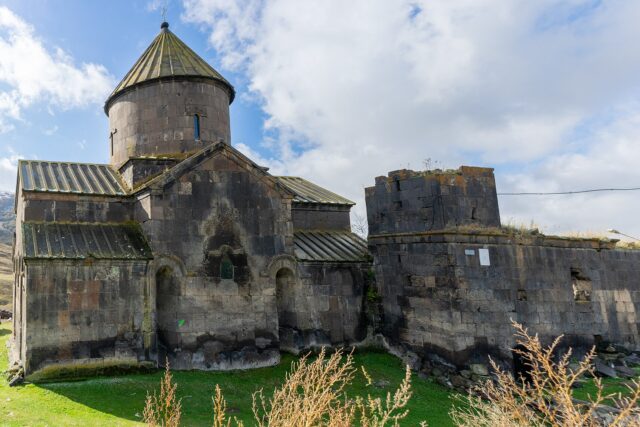
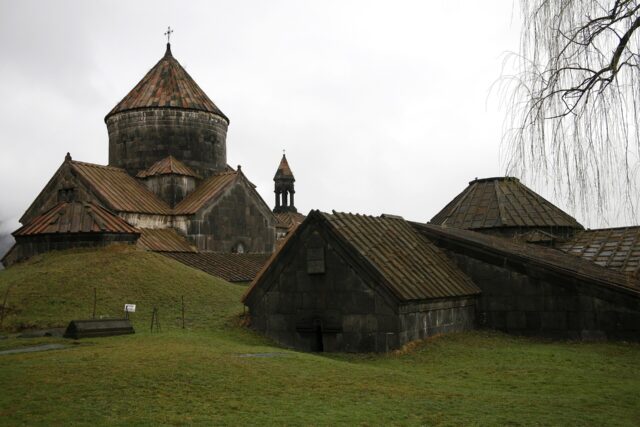
- Haghpat and Sanahin — a pair of 10th-century monastic complexes in the Debed Canyon, jointly recognised on the UNESCO World Heritage list, and the standout cultural draw of the region.
- Odzun — an early medieval basilica perched above the canyon, with wide valley views.
- Dsegh (Tumanyan) — a village associated with the beloved Armenian writer Hovhannes Tumanyan, set in classic Lori highland scenery.
- Stepanavan and Lori Berd — a leafy town near the Dendropark arboretum, with the medieval Lori fortress dramatically sited on a river promontory nearby.
Distances are short on the map but the mountain roads and limited public transport mean a hired car, a shared taxi arranged locally, or a guided day tour will save you real time and frustration. If you rely on marshrutkas, plan around a small number of daily departures and be ready for awkward return legs.
Where does Vanadzor fit in a northern loop?
Vanadzor is a natural anchor for northern Armenia. A common pattern pairs it with Dilijan (the forested “Armenian Switzerland”) and Lake Sevan to the southeast, and with Gyumri, Armenia’s second city, to the west. On a Yerevan-to-Tbilisi overland trip, the northern route runs through Lori and the Debed Canyon toward the Bagratashen border crossing, which makes Vanadzor and the Debed monasteries an easy add-on rather than a detour. If you have three or more days for the north, basing a night in Vanadzor to reach Haghpat and Sanahin without rushing is a sound plan.
When is the best time to visit?
The strongest windows for Lori are late spring through early summer and, best of all, autumn. Nationally the shoulder seasons of late April to June and September to October are considered the sweet spot, and September in particular brings dry weather and turning colours. Vanadzor’s higher, wetter, greener setting means spring can be lush but showery, summer is pleasantly cooler than sweltering Yerevan, and autumn paints the surrounding forests. Winters are cold with snow, and while the town keeps functioning, some rural roads and sites become harder to reach.
Practical tips
- Carry cash. Cards work in parts of the city, but rural Lori is cash-based. Withdraw dram before heading into the villages.
- Sort transport early in the day. Minibuses thin out in the afternoon, and onward rural connections are sparse.
- Set a base-not-destination mindset. Vanadzor rewards travellers who use it to reach the monasteries, not those hunting a polished tourist core.
- Learn a couple of words. English is limited outside Yerevan; Russian is widely understood, and “barev” (hello) and “shnorhakalut’yun” (thank you) go a long way.
Last verified: September 2026. Prices, minibus frequencies, and especially train schedules change; confirm current fares and timetables locally or through the official sources below before you travel.
Sources
- armenia.travel — official tourism portal of Armenia (regions, transport, and travel planning).
Frequently asked questions
Is Vanadzor worth visiting?
It depends on what you want. Vanadzor is more a practical base and transport hub than a headline destination, so it is worth it as a comfortable, cooler place to stay while you explore the Lori region and the Debed Canyon monasteries. Travellers expecting a compact tourist old town may be underwhelmed by the city itself.
How far is Vanadzor from Yerevan?
Vanadzor is roughly 125 km north of Yerevan, about a 2 to 2.5 hour drive. Marshrutkas from Gai (Northern) bus station cost approximately 1,500-2,000 AMD and run every 60-90 minutes. A shared taxi is faster and costs about 1.5 to 2 times the minibus fare.
Can you take a train from Yerevan to Vanadzor?
Yes, Vanadzor lies on Armenia’s northern railway line used by the scenic Yerevan-Tbilisi service, but long-distance trains are infrequent and the international route often runs only every other day off-season. Confirm the current timetable and whether Vanadzor is a scheduled stop through official sources before relying on it.
What can you do around Vanadzor?
The main draws are in the surrounding Lori province and Debed Canyon: the UNESCO-listed monasteries of Haghpat and Sanahin, the basilica at Odzun, the writer’s village of Dsegh, and Stepanavan with the nearby Lori Berd fortress. A car, local shared taxi, or day tour is the practical way to reach them.
When is the best time to visit Vanadzor and Lori?
Late spring to early summer and, best of all, autumn. September is often the single best month across Armenia, with dry weather and autumn colour. Vanadzor’s higher, forested setting stays cooler than Yerevan in summer, while winters are cold and snowy and can complicate rural travel.
Featured image: Poshotenk, CC BY-SA 4.0 — via Wikimedia Commons.