Renting a car in Armenia is genuinely worth it if you want to reach remote monasteries, drive the scenic north, or set your own pace on day trips out of Yerevan. Expect roughly USD 25–80 a day depending on the car and season, most foreign licences are accepted for short visits, and you drive on the right. It suits confident drivers happy with assertive local traffic and the odd rough village road; if you only plan to stay in Yerevan and do a couple of easy day trips, you don’t need one.
This guide goes deep on self-drive specifically. If you’re still weighing all your options, read our overview of how to get around Armenia first, then come back here to decide whether a car is right for your trip.
Do you actually need to rent a car in Armenia?
Short answer: only for the parts of the country where public transport is awkward. Yerevan is walkable and has cheap taxi apps, and popular day trips like Garni, Geghard, Lake Sevan and Khor Virap are all reachable by marshrutka (minibus), shared taxi or an organised tour.
A rental car earns its cost when you head south toward Tatev, Noravank and Vayots Dzor, or want to link several sites in one day without waiting for a minibus that leaves “when full.” It also removes the biggest friction point of Armenian public transport: the last few kilometres to a monastery that no bus serves.
Where a car makes sense:
- Multi-stop days that combine sites off the main road (for example Khor Virap, then Noravank and Areni).
- The south — Syunik, Tatev, Jermuk — where marshrutkas are slow, infrequent, and don’t cover the final approach.
- Photography or hiking trips where timing (early light, trailheads) matters.
Where it usually doesn’t: a Yerevan-only city break, or if you’re nervous about mountain roads and pushy overtaking. In those cases GG and Yandex Go taxi apps, plus the occasional day tour (about USD 25–50 per person), are cheaper and less stressful.
How much does car rental cost in Armenia?
Rates are approximate and move with season and demand — they climb in the July–August peak and around holidays, and soften in shoulder months. As a 2026 guide, budget roughly:
| Vehicle | Approx. per day |
|---|---|
| Economy hatchback | ~USD 25–40 |
| Sedan | ~USD 35–50 |
| SUV / 4WD (higher clearance) | ~USD 50–80 |
On top of the daily rate, collision damage waiver (CDW) insurance typically adds about USD 8–15 a day. What pushes the price up: peak-season dates, one-way drop-offs, airport pickup, younger drivers, and automatic transmission (manuals are common and often cheaper). We’d choose an economy car for the classic paved routes and only pay for an SUV if the itinerary includes rough tracks — more on that below.
Cars are widely available in Yerevan and at Zvartnots Airport (EVN). We deliberately don’t name specific companies or quote a single fixed price here, because both change constantly; compare a couple of providers and read the CDW excess and deposit terms before you book.
Licence, paperwork and insurance
For short tourist visits, most foreign driving licences are accepted in Armenia. That said, an International Driving Permit (IDP) is recommended — it’s an official translation of your home licence, it’s cheap to get before you travel, and it smooths things at rental desks and police checks, especially if your licence isn’t in Latin script. Carry both the IDP and your original licence together.
You’ll typically also need your passport and a credit card in the driver’s name for the deposit. Check the insurance details carefully:
- Third-party liability is legally required and usually built into the rental.
- CDW limits your liability for damage but almost always keeps an excess — ask what that excess is and whether tyres, glass and undercarriage are covered (they often aren’t on rough roads).
- Photograph the car from every angle at pickup and note existing scratches on the contract.
What are the roads like in Armenia?
It’s a real mix, and matching the car to the route is the single most useful planning decision you’ll make.
Main highways — fine in any car
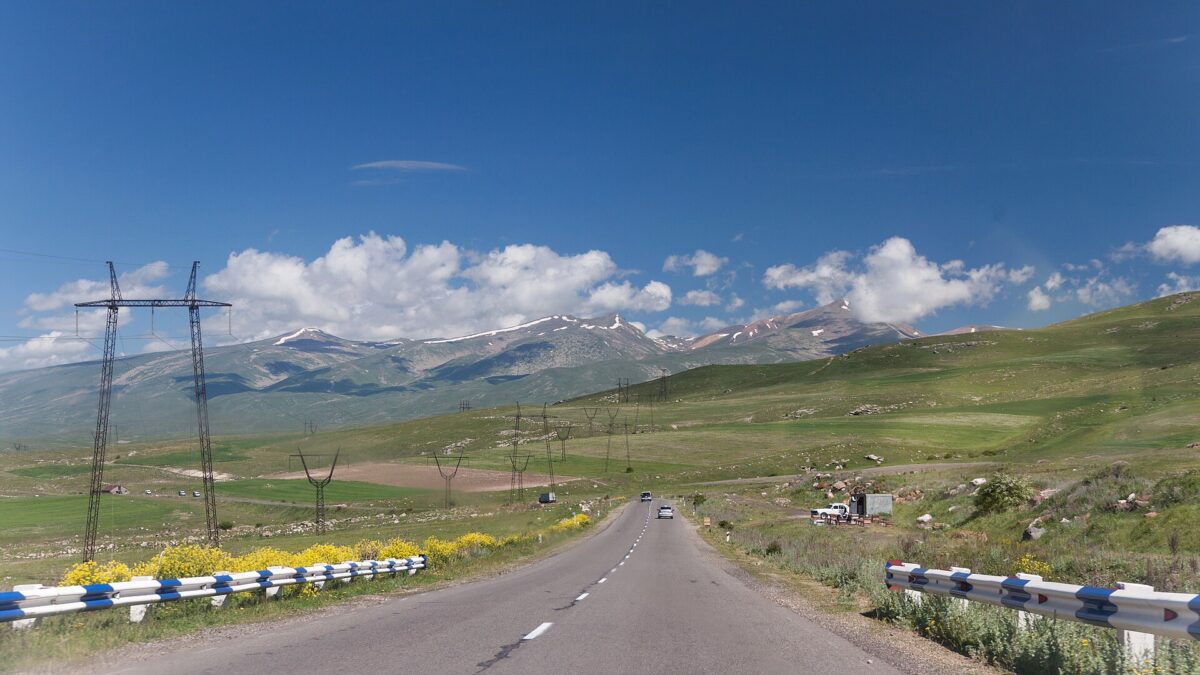
The core tourist corridors are paved and in decent condition. The Yerevan–Sevan–Dilijan route north (including the Dilijan tunnel) and the M2 south from Yerevan toward Khor Virap, Areni and Goris are generally good going, with the usual caveat of occasional potholes. An economy car handles these comfortably.
Mountain and village roads — where clearance helps
Once you leave the main routes, quality drops off. Approaches to some monasteries and villages are unpaved, potholed or steep, and a higher-clearance car (SUV or crossover) helps — not for the whole trip, but for those final stretches. Add mountain switchbacks, weather that changes fast at altitude, and livestock on the road (cows and sheep genuinely wander onto rural roads), and the case for a sturdier car and unhurried pace gets stronger.
What nobody tells first-timers: distances on the map are misleading. Tatev is only about 250 km south of Yerevan but takes four hours or more each way because of terrain, so treat the south as an overnight rather than a self-drive day trip.
Driving style and police checkpoints
Local driving can be assertive — close following, quick overtaking, and liberal use of the horn are normal. Drive defensively and don’t assume indicators mean what they do at home. You’ll also pass police checkpoints, especially on inter-city roads; these are routine. Keep your licence, IDP, passport and rental papers handy, stay calm and polite, and you’ll usually be waved through.
How far are the main sights by car?
Rough driving distances and times from Yerevan, useful for planning realistic days behind the wheel:
| Destination | Approx. distance | Approx. drive |
|---|---|---|
| Garni & Geghard | ~40 km east | ~1 hr |
| Khor Virap | ~35–40 km south | ~50 min |
| Lake Sevan (Sevanavank) | ~65 km northeast | ~1 hr |
| Dilijan | ~100 km north | ~1.5–2 hr |
| Noravank / Areni | ~120 km southeast | ~2 hr |
| Tatev (via Goris) | ~250 km south | ~4+ hr |
The northern and eastern trips make easy self-drive days. Anything approaching Tatev distance is better as an overnight, because the mountain terrain makes the drive longer than the kilometres suggest.
Is it safe to drive in Armenia?
Yerevan and the classic tourist routes are safe to self-drive with normal caution. The one area to plan around is the militarised Armenia–Azerbaijan border in the southeast. As of 2026, foreign advisories flag the immediate border zone and specific eastern stretches of Syunik and Gegharkunik. The Tatev area itself is a normal, popular destination, but the far-southeastern highway near the border is sensitive — don’t improvise routes that hug the frontier.
Border and road-safety guidance can change, so check your own government’s current advisory the week you travel and follow any “no stopping” or transit-only instructions on affected roads. Read our honest take in the is Armenia safe for tourists guide before you set off.
Fuel and refuelling
Fuel is easy to find along main roads and in towns, and stations often sell petrol, diesel and LPG (autogas) — many local cars run on LPG, so it’s widely available. The catch is remote areas: fill up before long stretches through the south or thinly populated mountain regions rather than gambling on the next station being open. Many stations are attended, and it’s normal for staff to pump the fuel for you. Carry some cash, as smaller rural stations may not take cards.
Parking in Yerevan
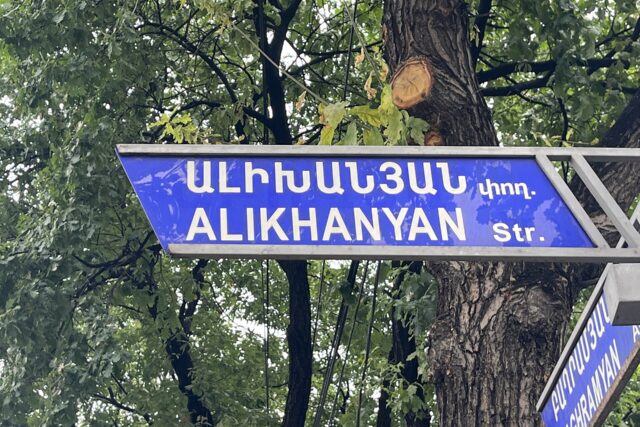
Central Yerevan uses paid parking zones, typically enforced during the day. Payment is usually via a local system (parking meters, an app or SMS in Armenian), which can be fiddly for visitors — your hotel can help you set it up or point you to a free side street. Many hotels offer their own parking; confirm this when booking, because circling for a spot in the centre isn’t fun. Outside the capital, parking is generally informal and free.
Car vs tour vs marshrutka: our verdict
There’s no single right answer — it depends on where you’re going and how you like to travel.
- Rent a car if you’re doing the south, want multi-stop days, or value total flexibility and are comfortable with the driving. Best value split between two to four people.
- Take a day tour (about USD 25–50 per person) for far or awkward sites like Tatev, or if you’d rather not drive at all — someone else handles the road and the logistics.
- Use marshrutkas and taxi apps for Yerevan and the easy day trips (Garni/Geghard, Sevan, Khor Virap). Cheapest by far, and GG or Yandex Go covers the gaps a bus can’t.
Our honest call: rent for the south, go public or guided for everything else. That combination keeps costs down and puts a car in your hands only where it genuinely pays off.
Last verified: September 2026. Rental prices, insurance terms, parking rules and border-safety guidance change — confirm the current situation before you book and again the week you travel.
Sources
- armenia.travel — official national tourism portal (transport and travel basics)
- UK FCDO travel advice: Armenia — current border and road-safety guidance
- US State Department travel advisory: Armenia
Frequently asked questions
Can I drive in Armenia with my foreign licence?
For short tourist visits, most foreign driving licences are accepted. An International Driving Permit (IDP) is recommended alongside your original licence, particularly if your licence isn’t in Latin script, and it helps at rental desks and police checkpoints. Carry both together.
How much does it cost to rent a car in Armenia?
Approximately USD 25–40 a day for an economy car, USD 35–50 for a sedan and USD 50–80 for an SUV or 4WD, with collision damage waiver insurance adding roughly USD 8–15 a day. Prices rise in the July–August peak and for airport pickup or one-way drop-offs. Figures are approximate for 2026.
Do I need a 4WD or SUV in Armenia?
Not for the main paved routes such as Yerevan–Sevan–Dilijan or the M2 south, where an economy car is fine. A higher-clearance SUV or crossover helps for the rough, unpaved approaches to some remote monasteries and villages. Only pay for one if your itinerary includes those rough stretches.
Which side of the road do you drive on in Armenia?
Armenia drives on the right. Local driving can be assertive, with close following and quick overtaking, so drive defensively. Expect routine police checkpoints on inter-city roads and keep your licence, IDP, passport and rental documents to hand.
Is fuel easy to find in Armenia?
Yes along main roads and in towns, and stations often sell petrol, diesel and LPG autogas. In remote southern or mountain areas, stations are sparser, so fill up before long stretches and carry cash, as smaller rural stations may not accept cards.
Is it safe to drive near the Armenia–Azerbaijan border?
Yerevan and the classic tourist routes are safe to drive with normal caution. Avoid the militarised southeastern Armenia–Azerbaijan border zone and the specific eastern Syunik and Gegharkunik stretches flagged by foreign advisories in 2026. Check your government’s current advisory the week you travel.
Featured image: Marcin Konsek, CC BY-SA 4.0 — via Wikimedia Commons.