The best time to visit Armenia is during the two shoulder seasons: late April to June and September to October. If you can only pick one month, make it September — it is widely rated the single best month of the year, with dry, stable weather, the first golden autumn colours, and the grape harvest in full swing. Late spring runs it a close second. Last verified: July 2026.
Armenia is a small, mountainous country where altitude does most of the talking. Yerevan sits low and bakes in high summer, while the highland monasteries, lakes and trails stay cooler. That spread is exactly why the shoulder months work so well: warm enough for the valleys, comfortable up high, and rarely at the mercy of an August afternoon storm. Below is our honest, season-by-season read, plus a month-by-month table and the best windows for hiking, skiing, wine and that elusive clear view of Mount Ararat.
When is the best overall time to visit Armenia?
For most travellers, the sweet spot is the shoulder seasons — roughly late April through June, and September into October. These months give you mild days, thinner crowds than midsummer, and the widest range of things you can actually do, from Yerevan sightseeing to mountain hikes. Peak summer and deep winter both work for specific trips, but they ask you to plan around heat or snow rather than move freely.
Our editorial call: September edges out every other month. The searing Yerevan heat has broken, the light turns gold, rain is still infrequent, and the wine country around Areni is harvesting. Late May and June are the runners-up if you want green hillsides and wildflowers instead of autumn tones. For the full picture of what those trips actually involve, see our guide to the best things to do in Armenia.
Spring in Armenia (March to May)
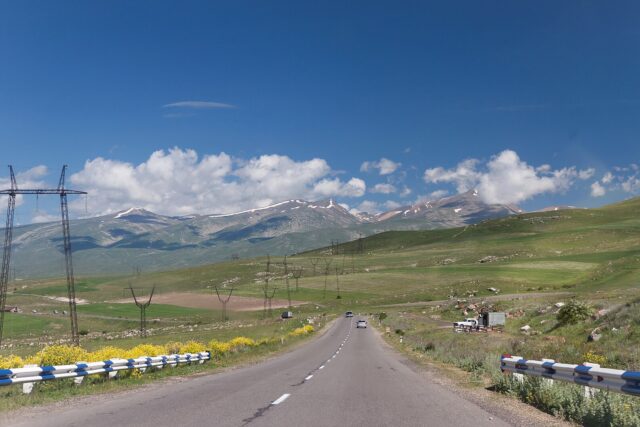
Spring is a season of transition, and it rewards patience. Expect temperatures broadly in the 5–20°C range, climbing as the weeks pass. Early spring can still be raw and wet, with snow lingering on higher passes and some mountain roads slow to clear. By late April and especially May, the lowlands turn green and wildflowers take over the hillsides — one of the prettiest times to be in the countryside.
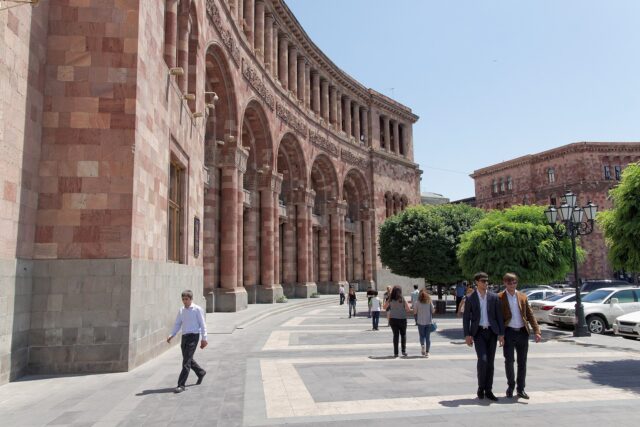
What spring is good for: photography, green landscapes, mild city sightseeing in Yerevan, and beating the summer crowds. What it is less good for: high-altitude hiking early on (snow and mud), and swimming — Lake Sevan is still cold. Pack layers. A warm afternoon in Yerevan can sit alongside a genuinely chilly evening up in the highlands.
Summer in Armenia (June to August)
Summer is the country’s peak hiking season and its busiest tourist stretch. Temperatures across the country run roughly 16–28°C, but that average hides a big gap: the mountains are glorious, while Yerevan gets very hot. August is the hottest month, and it also brings afternoon thunderstorms that can roll in quickly over the highlands.
Here is the honest trade-off. If your trip is built around trekking — the Transcaucasian Trail, Dilijan’s forests, the alpine terrain — summer is when the high routes are snow-free and fully open, so it is the right choice. If your trip is mostly city and monastery sightseeing, midsummer in Yerevan can be punishing in the middle of the day. If you do come in August, plan the demanding stuff for morning, retreat indoors or uphill in the afternoon heat, and keep an eye on the sky.
Two summer high points worth timing for: Lake Sevan is realistically swimmable only in July and August (the water reaches around 20–22°C at its ~1,900 m altitude, and the beaches are seasonal, roughly June to August). And Vardavar, the exuberant water festival where strangers drench each other in the streets, falls in summer — a genuinely fun reason to accept the heat. If you are weighing regions and routes, our day trips from Yerevan piece covers how to escape the city on the hottest days.
Autumn in Armenia (September to November)
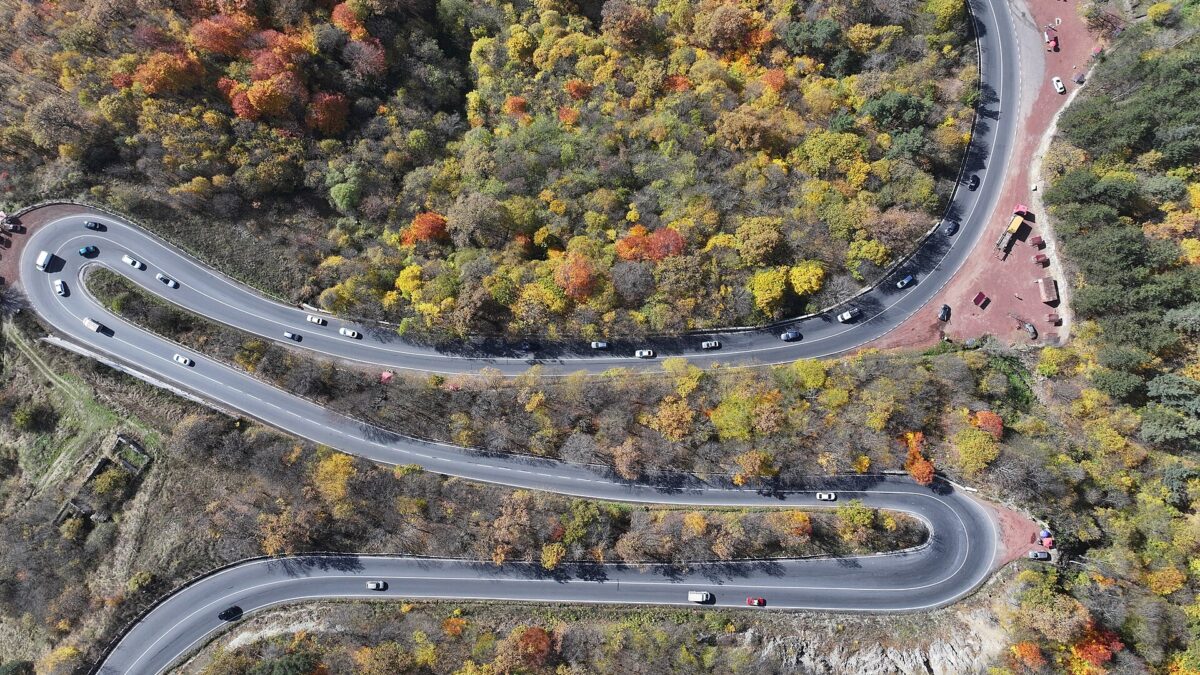
Autumn is, in our view, the best all-round season — and September is its crown. The weather turns mild, dry and golden, the oppressive summer heat is gone, and the vineyards and forests shift into deep autumn colour. It is comfortable for both city walking and highland trips, and the skies tend to be clearer than in hazy midsummer.
It is also harvest time. The Areni Wine Festival takes place in early October in the Vayots Dzor wine region, timed to the grape harvest — a natural add-on to a southern day trip. As autumn deepens into November, days cool noticeably and the first snow arrives on the peaks, so the earlier weeks are the safer bet for a broad itinerary. If you want to build a base for exploring, start with our Yerevan travel guide.
Winter in Armenia (December to February)
Winter is cold and quiet. Expect temperatures around 0°C or below in the depths of January, with snow across much of the country. Some rural roads and remote monasteries become harder to reach, and daylight is short — so this is not the season for a sprawling, everything-everywhere trip.
But winter has a clear purpose: skiing. Tsaghkadzor is the main ski resort, an easy reach from Yerevan, and the season centres on these months. Winter is also the time for hearty cold-weather food and an atmospheric, snow-dusted capital with far fewer tourists. And there is one underrated bonus — see the Ararat section below. If a snow trip appeals, come with proper warm gear and a shorter, focused plan rather than an ambitious multi-region loop.
Armenia month by month
A quick overview to help you match a month to your trip. Temperatures are indicative country-wide ranges; Yerevan runs hotter in summer than the highlands.
| Month | Feel | Best for |
|---|---|---|
| January | Cold, ~0°C or below, snow | Skiing at Tsaghkadzor, clear Ararat views |
| February | Cold, snowy | Skiing, quiet Yerevan |
| March | Cool, thawing (~5–15°C) | Late-season snow up high, early spring city breaks |
| April | Mild, greening (late April strong) | Wildflowers, sightseeing, start of shoulder season |
| May | Warm, green (~up to 20°C) | Green landscapes, comfortable touring |
| June | Warm, long days | Hiking opens up, all-round travel |
| July | Hot, Yerevan very warm | Lake Sevan swimming, Vardavar, high trekking |
| August | Hottest, afternoon storms | High-altitude hiking, Sevan beaches (plan around heat) |
| September | Mild, dry, golden — the sweet spot | Everything: weather, colours, wine harvest |
| October | Mild, dry, autumn colour | Areni Wine Festival (early Oct), touring |
| November | Cooling, first snow on peaks | Early-month touring, quiet sightseeing |
| December | Cold, snow, short days | Ski season, festive Yerevan |
Best time for hiking, skiing, wine and Ararat views
Different trips have different ideal windows. Here is how the calendar breaks down by interest.
- Hiking: Summer (June to August) is peak season, when high trails are snow-free and fully open. September extends the window with cooler, drier days and is arguably the more pleasant time to walk. Avoid early spring up high, where snow and mud linger.
- Skiing: Winter (December to February), centred on Tsaghkadzor, the country’s main resort and a short trip from Yerevan.
- Wine: Autumn, specifically the harvest and the Areni Wine Festival in early October — the best moment to taste in the Vayots Dzor cellars.
- Mount Ararat views: counter-intuitively, the cold half of the year (roughly October to April) and early morning give the clearest sight of the peak from Khor Virap. Summer haze often blurs it, so a crisp winter morning can actually beat a July afternoon.
Before you lock in dates, it is worth checking entry rules and the current safety picture, both of which we keep updated: see our Armenia visa guide and is Armenia safe for tourists.
Frequently Asked Questions
What is the best month to visit Armenia?
September. It is widely rated the single best month, with dry, stable weather, the first autumn colours, and the wine harvest under way. Late May and June are strong alternatives if you prefer green hillsides to golden ones.
Is winter a good time to visit Armenia?
Yes, for the right trip. Winter is cold — around 0°C or below in January — with snow across much of the country, so it is not ideal for a broad multi-region tour. But it is the season for skiing at Tsaghkadzor, a quiet and atmospheric Yerevan, and unusually clear morning views of Mount Ararat.
When is it too hot in Armenia?
Midsummer, and August in particular, is the hottest stretch, with Yerevan getting very hot and afternoon thunderstorms common in the highlands. It is fine for high-altitude hiking and lake swimming, but heavy city sightseeing in the midday heat is uncomfortable — plan strenuous activity for the morning.
When can you swim in Lake Sevan?
Realistically only in July and August. Sevan sits at about 1,900 m, so even in high summer the water reaches only around 20–22°C, and the beaches operate on a seasonal basis from roughly June to August.
What is the cheapest or quietest time to visit?
Winter and the early edges of spring are the quietest, with the fewest tourists outside the ski resorts. If you want mild weather without midsummer crowds, the shoulder months of late April to June and September to October strike the best balance of good conditions and manageable numbers.
Featured image: Xelgen (CC BY-SA 4.0) via Wikimedia Commons
Sources: For official, up-to-date information, see Armenia’s official tourism board (armenia.travel). Last verified: July 2026.