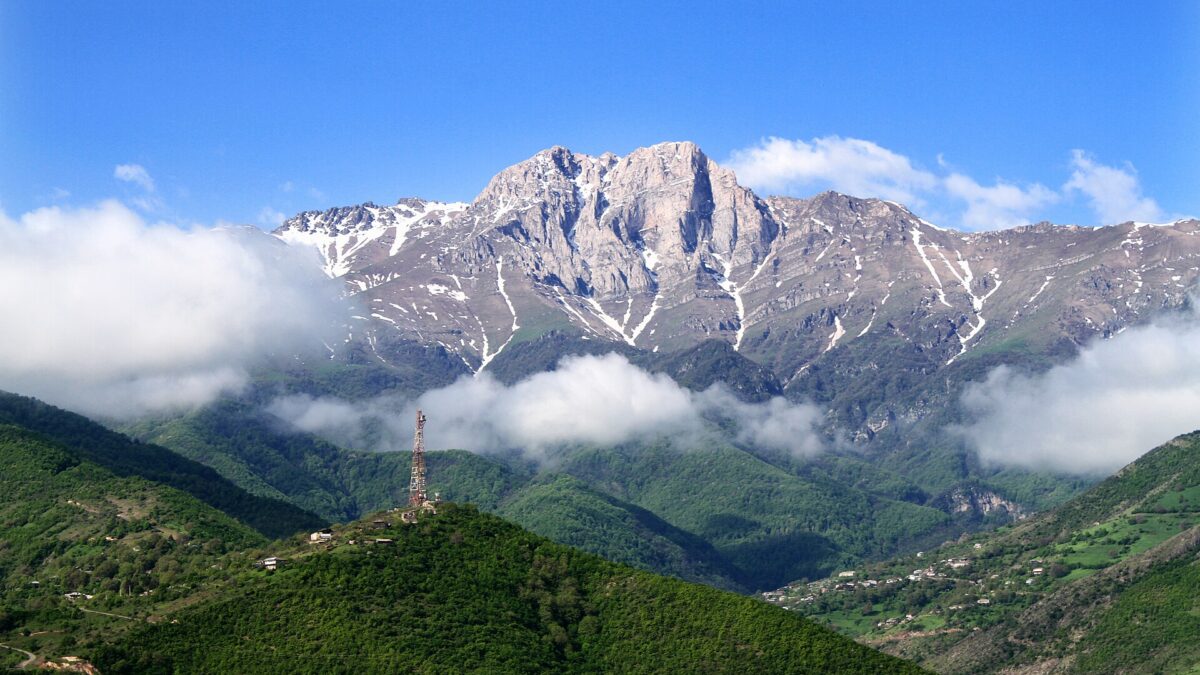
Kapan is the capital and largest town of Syunik, Armenia’s southernmost province, sitting in a steep river valley beneath the pyramid of Mount Khustup (roughly 3,200 metres). It lies about 320 km south of Yerevan, a long 4.5 to 5 hour drive that runs through Goris, and it serves as the base for reaching Mount Khustup, the ruined Vahanavank monastery, and the medieval fortress of Baghaberd. This is genuine deep-south Armenia: mountainous, thinly visited, and close enough to a sensitive border that you need to read the current travel advisories before you go.
Most travellers who make it this far are hikers, road-trippers driving the length of the country, or people continuing toward the Iranian border at Meghri. Kapan is not a polished tourist town, and that is part of why the people who reach it tend to like it. Below is what the trip actually involves, what there is to see, and the safety picture stated plainly rather than glossed over.
Where is Kapan and why go so far south?
Kapan sits in the Voghji river valley in the far south of Armenia, hemmed in by the Zangezur and Khustup mountains. It is the administrative centre of Syunik, the long finger of Armenian territory that reaches down toward Iran between Azerbaijan proper to the east and the Azerbaijani exclave of Nakhchivan to the west.
The honest answer to “why come” is scenery and solitude. This is the most dramatic mountain country in Armenia, with far fewer tour buses than Tatev or Garni. If you have already covered the classic route and want somewhere that still feels off the standard circuit, Syunik’s deep south delivers. If you only have a few days in Armenia, this is not the trip to prioritise over Yerevan and its day trips.
Who should actually make this journey
- Adventurous and independent travellers comfortable with long drives, patchy public transport, and limited English outside the capital.
- Hikers aiming for Mount Khustup or shorter valley walks.
- Road-trippers driving the full north-south length of Armenia, often toward the Meghri border with Iran.
- Anyone who has read the current advisories and understands which parts of Syunik to avoid (see the safety section below).
How do you get to Kapan from Yerevan?
Getting to Kapan means committing to a long day on the road. The distance is roughly 320 km and the drive takes about 4.5 to 5 hours in good conditions, following the same southbound route as Goris before continuing deeper south. There is no quick way to do this; the mountain roads are winding and you should not plan a same-day return.
Your realistic options:
- Marshrutka (minibus): long-distance southbound minibuses leave from Kilikia Central Bus Station in Yerevan (near Sasuntsi Davit metro). Goris services run roughly twice a day for about 2,500 to 3,500 AMD; Kapan is further south, so confirm the departure and current fare at the station the day before, as schedules to the deep south are limited and change. Fares are approximate and volatile.
- Shared taxi: shared cars leave when full, cost more than the minibus, and are faster and more comfortable on the mountain sections.
- Rental car: the most flexible option for the south and for reaching Khustup, Vahanavank, and Baghaberd, which are awkward without your own wheels. Economy cars run roughly 25 to 40 USD per day before insurance. Roads on the main route are paved but mountainous, with livestock, potholes on side roads, and sparse fuel in remote stretches, so fill up before you leave larger towns.
Many people break the drive in Goris, which has more accommodation and is the launch point for the Tatev cable car and the cave village of Old Khndzoresk. Treating Goris as a staging post and pushing on to Kapan the next morning is a sensible way to split the journey.
What is there to see in and around Kapan?
Kapan itself is a working mining town rather than a monument-dense destination, so the appeal is mostly what surrounds it.
Mount Khustup
Khustup is the mountain that towers over Kapan, rising to around 3,200 metres, and its distinctive shape appears on local emblems and in the writing of the Armenian revolutionary Garegin Nzhdeh, who is buried on its slopes. Climbing it is a serious full-day mountain hike on rough terrain, not a casual stroll, and it is best attempted in the summer and early-autumn hiking window with proper footwear, plenty of water, and ideally a local guide or a well-researched route. Lower valley walks around Kapan give you the alpine scenery without the full ascent.
Vahanavank monastery
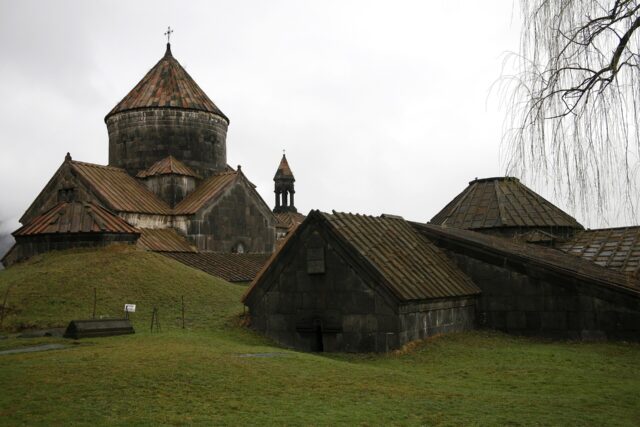
A short distance west of Kapan lies Vahanavank, an 11th-century monastery founded by the Syunik royal house and partly restored. It is a quiet, atmospheric site set in the hills, and its remoteness means you may well have it to yourself. Monastery grounds in Armenia are typically free to enter; verify access and any current restoration status locally, as the deep south sees fewer maintained visitor facilities than the popular sites.
Baghaberd fortress
Baghaberd is a ruined medieval fortress perched above the Voghji gorge, once a stronghold of the kingdom of Syunik. It is more a scenic ruin and a viewpoint than a curated attraction, and reaching it rewards travellers who enjoy earning their views. Again, having your own vehicle makes these outlying sites far more practical than relying on scarce public transport.
Is Kapan and southern Syunik safe? The honest border context
This is the part no responsible guide should skip. Syunik shares a militarised border with Azerbaijan, and parts of the province appear in Western government travel advisories. The main towns and the primary Goris to Kapan road are normally used by travellers, but the immediate border areas should be avoided, and the situation is volatile because a peace process is ongoing.
What the official advisories say, with their dates:
- US State Department (Level 2, Increased Caution, dated 5 September 2025): advises avoiding areas of Syunik east of Goris and Syunik south of Kapan, alongside other border zones. The immediate border with Azerbaijan is rated Do Not Travel.
- UK FCDO (updated 1 March 2026): advises against all travel within 5 km of the eastern Armenia-Azerbaijan border. Its most strongly flagged road zone is in the north (the Ijevan to Noyemberyan stretch), and Yerevan and the main routes are not flagged, but the general 5 km border caution is the one to keep in mind in the deep south.
In plain terms: travelling to Kapan town and along the main highway that connects it to Goris is what ordinary visitors do, but going east of Goris, pushing south of Kapan toward the border, or approaching the frontier itself is exactly what the advisories tell you not to do. The land border with Azerbaijan is closed. Nagorno-Karabakh has been under Azerbaijani control since 2023 and is not accessible from Armenia; do not treat it as an Armenian destination.
Because the peace process is live and conditions can shift, treat every date above as a snapshot. Recheck the FCDO and US State Department pages the week you travel, and if in doubt about a specific road or side trip, ask locally in Goris or Kapan before setting out. This is not a reason to be frightened of the region; it is a reason to plan the route deliberately and stay on the normal travelled corridor.
When is the best time to visit?
The strongest windows are late April to June and September to October. September is widely considered the single best month in Armenia: dry, clear, and cooler in the mountains, which matters for a place like Khustup. Summer brings the reliable hiking season but also heat and the chance of afternoon storms in August. Winter turns the high south cold and snowy, mountain roads become harder, and a long southbound drive is far less appealing, so the deep south is really a warm-season trip for most visitors.
Practical tips before you go
- Carry cash in dram. The countryside is largely cash-based; do not rely on cards once you leave larger towns.
- Get a local SIM or eSIM in Yerevan. Viva-MTS has the best rural coverage, which is worth having on remote mountain roads.
- Do not plan Kapan as a day trip from Yerevan. The distance makes an overnight, either in Kapan or split with a night in Goris, the only sensible approach.
- Tell someone your route if you are hiking Khustup or heading to outlying ruins, and start early.
If you are building a wider southern route, Kapan pairs naturally with Goris and Old Khndzoresk and the Tatev monastery and Wings of Tatev cable car, both of which sit on the road down. For the bigger picture on the border situation nationwide, see our guide to whether Armenia is safe for tourists, and for planning the whole country, our 7-day Armenia itinerary and guide to getting around Armenia.
Last verified: September 2026. Travel and safety information for southern Syunik changes; reconfirm advisories and transport before you go.
Sources
- UK FCDO, Armenia travel advice (updated 1 March 2026)
- US State Department, Armenia Travel Advisory (Level 2, 5 September 2025)
- armenia.travel — official Armenia tourism portal
Frequently asked questions
How far is Kapan from Yerevan?
Kapan is roughly 320 km south of Yerevan, a drive of about 4.5 to 5 hours through Goris on winding mountain roads. It is too far for a same-day return, so plan an overnight in Kapan or split the journey with a night in Goris.
Is it safe to travel to Kapan?
Kapan town and the main Goris to Kapan road are normally used by travellers, but southern Syunik borders Azerbaijan and appears in travel advisories. The US State Department (5 Sept 2025) advises avoiding Syunik east of Goris and south of Kapan, and the UK FCDO (1 Mar 2026) advises against travel within 5 km of the eastern border. Recheck both advisories the week you travel and stay on the main corridor.
What is there to do in Kapan?
The draws are the surrounding mountains rather than the town itself: hiking or admiring Mount Khustup (about 3,200 m), visiting the 11th-century Vahanavank monastery, and reaching the ruined Baghaberd fortress above the Voghji gorge. A rental car makes these outlying sites far more practical.
How do you get to Kapan by public transport?
Long-distance southbound marshrutkas leave from Kilikia Central Bus Station in Yerevan. Goris runs about twice daily for roughly 2,500 to 3,500 AMD; Kapan is further south with limited services, so confirm the current departure and fare at the station a day ahead. Shared taxis are faster but cost more.
When is the best time to visit southern Syunik?
Late April to June and September to October are best, with September often the finest month. Summer is the main hiking season but can be hot with August storms, while winter brings cold and snow that make the long southern drive and high mountains far less appealing.
Can you visit Nagorno-Karabakh from Kapan?
No. Nagorno-Karabakh has been under Azerbaijani control since 2023 and is not accessible from Armenia. The land border with Azerbaijan is closed, and it should not be treated as an Armenian destination.
Featured image: Syunik, CC BY-SA 4.0 — via Wikimedia Commons.