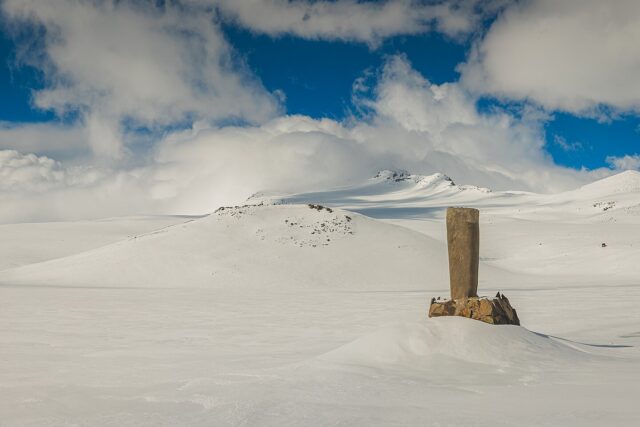
Yes, Armenia is worth visiting if you want fourth-century monasteries set against dramatic mountains, the view of Mount Ararat from Khor Virap, some of the world’s oldest wine country, warm hospitality and genuinely low prices, all reachable from a compact and walkable capital in Yerevan. The honest caveat: this is not a beach-and-nightlife holiday, some regional roads are rough, and a militarised stretch of the eastern border with Azerbaijan has to be avoided. If mountains, history and food matter more to you than resorts, it is an easy recommendation.
What actually makes Armenia special?
Armenia’s appeal is not one headline sight but a dense stack of them in a small country. A few stand out enough to build a trip around.
Ancient Christian heritage you can walk into
Armenia was the first nation to adopt Christianity as its state religion, in 301 AD, and the buildings that followed are still standing and still in use. Etchmiadzin Cathedral near Yerevan, the Mother See of the Armenian Apostolic Church, was built in 301 to 303 AD and reopened on 29 September 2024 after a six-year restoration, so guides that still call it “closed for renovation” are out of date. Geghard Monastery is partly carved directly into the rock, Tatev sits on a cliff edge in the south, and Khor Virap frames the border. Most monasteries charge no entry fee. Our guide to the best monasteries in Armenia covers how to string them together.
Dramatic landscapes and the Ararat view
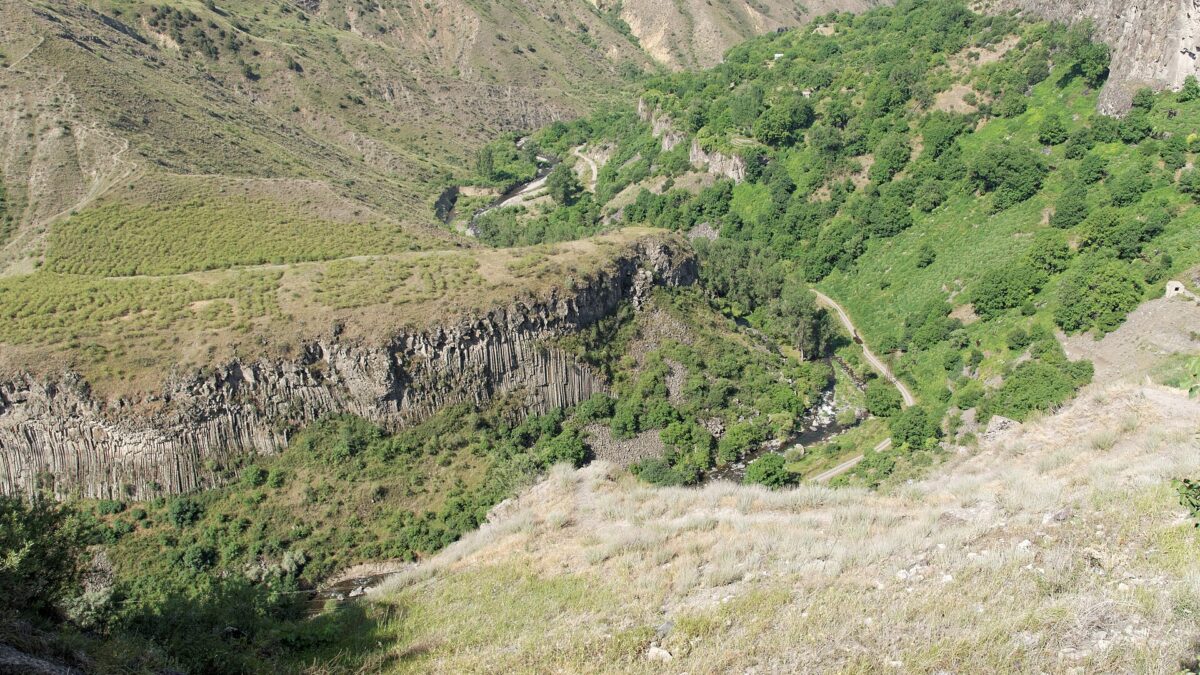
The scenery does a lot of the work. Khor Virap gives the iconic view of Mount Ararat, roughly 20 km away across the border in modern Turkey; the peak is clearest early morning and from October to April, since summer haze often hides it. Noravank sits in a red-cliff gorge, the basalt columns of the Symphony of Stones rise beside Garni, and Lake Sevan spreads out at around 1,900 m. Dilijan, nicknamed “Armenian Switzerland,” is forested national park with lakes and trails.
Wine, brandy and a serious food culture
The Areni-1 cave holds the world’s oldest known winery, roughly 6,100 years old, and the Areni wine village around it still runs tastings, with a wine festival in early October. Yerevan’s brandy heritage goes back to the ARARAT house, founded in 1887. The food is a reason to come on its own: khorovats (barbecue), lavash flatbread baked in a tonir (UNESCO-listed in 2014), dolma, gata and more. Vegetarians are unusually well served thanks to the meat-free “pasuts” Lenten tradition, which matters for many travellers. See our Armenian food guide for what to order and what each dish roughly costs.
Hospitality, safety and low cost
Armenia scores among the top ten safest countries globally for low street crime (Numbeo safety index around 77.9), and prices are gentle. A backpacker can travel on roughly USD 16 to 24 a day, a mid-range trip on around USD 38, according to budget-tracking sources; see our Armenia travel cost and budget breakdown. English is common in Yerevan among younger people and in tourist spots, Russian is widely spoken, and a phrasebook helps in regional towns.
A capital that works as a base
Much of the appeal is logistical: Yerevan is compact, walkable and cheap, and almost every headline sight is a day trip from it. Garni and Geghard sit about 40 km east and pair naturally with the Symphony of Stones; Khor Virap and the Noravank-Areni wine route lie to the south; Lake Sevan and Dilijan are an hour or so northeast. That means one hotel, low transport costs and short travel days, which is why our 7-day itinerary keeps Yerevan as the hub rather than moving on every night. In the city itself, the Cascade complex, Republic Square and the solemn Tsitsernakaberd Genocide Memorial (free, quiet and respectful) fill the days you are not on the road.
Standout experiences at real prices
To put the value in numbers, here are a few signature sights and roughly what they cost. Prices are approximate and volatile, so confirm on the official pages before you go.
| Experience | Approx. cost | Note |
|---|---|---|
| Garni Temple entry | 1,500 AMD (~USD 4) | 1st-century Greco-Roman temple, the only standing one in the former USSR |
| Geghard, Khor Virap, Noravank, Sevanavank, Etchmiadzin | Free | Most monasteries charge no entry fee |
| Wings of Tatev cable car | ~6,500-9,000 AMD round trip (~USD 18-25) | World’s longest reversible aerial tramway at 5.7 km; sources vary, check tatever.am |
| ARARAT brandy tour and tasting | ~4,500-10,000 AMD (~USD 12-27) | Yerevan Brandy Company, founded 1887; book ahead |
Who will love Armenia?
Armenia rewards a specific kind of traveller. You will likely love it if you are into:
- History and architecture — you want monasteries, a UNESCO cathedral and a first-Christian-nation story you can actually stand inside.
- Mountains and the outdoors — hiking, gorges, alpine lakes and the Transcaucasian Trail, which runs through Dilijan National Park.
- Food and wine — barbecue, ancient wine country, brandy tours and strong vegetarian options.
- Budget and slow travel — a compact, affordable base in Yerevan with day trips radiating out. Our 7-day Armenia itinerary is built exactly this way.
- Uncrowded destinations — you would rather have a cliffside monastery mostly to yourself than queue at a marquee European sight.
Who might be disappointed?
It is only fair to name who should think twice. You might not love Armenia if you want:
- A beach holiday — Armenia is landlocked. Lake Sevan has seasonal beaches, but swimming is realistically only comfortable in July and August in a high-altitude lake around 20 to 22 degrees.
- Big-city nightlife on a European scale — Yerevan has cafes, bars and a lively centre, but this is not Berlin or Barcelona for clubbing.
- Everything polished and effortless — main roads are paved and fair, but off the main routes you meet potholes, unpaved stretches, mountain driving and livestock. Public transport to some sights (Tatev, Khor Virap) is awkward and often needs a taxi or day tour.
- Guaranteed comfort in peak summer — Yerevan gets very hot, and August is the hottest month with afternoon storms.
The practical realities you should know
The border situation, explained honestly
The tourist core is safe and well away from any restricted zone. The one real concern is the militarised Armenia to Azerbaijan border. As of March 2026, the UK FCDO advises against all travel within 5 km of the eastern border and along the M16/H26 road between Ijevan and Noyemberyan; Yerevan and the main tourist routes are not flagged. The US State Department places Armenia at Level 2 (Increased Caution) and lists specific eastern and southern border strips to avoid. Two things travellers get wrong: the popular Tatev monastery area itself is a normal, safe destination, and only the far-southeast Syunik highway near the border is sensitive; and Nagorno-Karabakh has been under Azerbaijani control since 2023 and is not accessible from Armenia, so it is not an Armenian destination to plan around. This is a volatile, ongoing peace process, so recheck advisories the week you travel. Full detail is in is Armenia safe for tourists.
Getting in and getting around
Most Western passports (US, UK, EU, Canada, Australia) enter visa-free for up to 180 days a year. Some nationalities, including Indian passport holders, need an e-visa in advance from the official portal (evisa.mfa.am) rather than visa-on-arrival, and travel insurance has been mandatory in all e-visa cases since November 2024. Inside the country, marshrutka minibuses and shared taxis are cheap but leave when full; day tours (roughly USD 25 to 50) cover routes where public transport is impractical. In Yerevan, use the GG or Yandex Go taxi apps rather than street-hailing. From Zvartnots Airport, the number 201 Airport Express bus runs to France Square for 300 AMD, while an app taxi is roughly 2,900 to 5,000 AMD versus the inflated 10,000 to 20,000 AMD touts quote. Our things to do in Armenia roundup pairs each sight with how to reach it.
When to go and how long to stay
The best windows are late April to June and September to October, with September often the single best month: dry weather, autumn colour and the wine harvest. Winter is cold, with snow and skiing at Tsaghkadzor. For length of trip, a focused long weekend can cover Yerevan plus one or two day trips, but Armenia rewards more time. Around 7 days lets you base in Yerevan, see the classic monasteries and southern gorges, and still slow down; 10 days or more opens up the far south and quieter regions. Under three days and you will feel you only scratched the capital.
So, is it worth it? The verdict
For travellers drawn to ancient history, mountain scenery, food and wine, and value for money, Armenia is comfortably worth visiting, and it still feels uncrowded compared with better-known European trips. It is not the right choice if your ideal holiday is beaches, resort polish or heavy nightlife. Go in spring or autumn, base yourself in Yerevan, respect the border advisories, and give it at least a week. Do that and it delivers far more than its low profile suggests.
Last verified: September 2026. Prices, transport fares and border advisories change, so confirm time-sensitive details before you travel.
Sources
- armenia.travel — official national tourism portal
- evisa.mfa.am — official e-visa portal
- UK FCDO travel advice for Armenia
- US State Department Armenia travel advisory
Frequently asked questions
Is Armenia safe for tourists in 2026?
Yerevan and the classic tourist route are safe, with low street crime (Numbeo safety index around 77.9). The one real concern is the militarised eastern border with Azerbaijan: as of March 2026 the UK FCDO advises against travel within 5 km of it and along the M16/H26 Ijevan-Noyemberyan road, and the US State Dept lists Armenia at Level 2. Popular sights like Tatev are fine. Recheck advisories the week you travel.
How many days do you need in Armenia?
Around 7 days is the sweet spot: enough to base in Yerevan, see the main monasteries and southern gorges, and not rush. A long weekend covers the capital plus a day trip or two, while 10 days or more lets you reach the quieter south. Under three days feels too tight.
Is Armenia expensive to visit?
No, it is one of the more affordable destinations in the region. Budget travellers manage on roughly USD 16 to 24 a day, mid-range trips on around USD 38, according to budget-tracking sources. Many monasteries are free to enter, and public transport is cheap. Confirm current prices before you go.
What is the best time to visit Armenia?
Late April to June and September to October are ideal. September is often the single best month, with dry weather, autumn colour and the wine harvest. Summer, especially August, is very hot in Yerevan with afternoon storms; winter is cold with skiing at Tsaghkadzor.
Can you visit Nagorno-Karabakh from Armenia?
No. Nagorno-Karabakh has been under Azerbaijani control since 2023 and is not accessible from Armenia. It should not be planned as an Armenian destination. The land border between Armenia and Azerbaijan is also closed.
Is Armenia good for vegetarians?
Yes. Armenia has a strong meat-free ‘pasuts’ (Lenten) tradition, including pasuts tolma, spas soup, lentil and bean dishes, grilled vegetables and lavash with cheese and greens. Yerevan also has dedicated vegetarian and vegan restaurants. Specify ‘pasuts’ or meatless, since some stocks use meat.
Featured image: Vyacheslav Argenberg, CC BY 4.0 — via Wikimedia Commons.