Yes, Armenia is workable for vegetarians, and easier than its meat-heavy reputation suggests. The country has a deep meat-free cooking tradition tied to religious fasting, called pasuts (Lenten) food. Order the pasuts versions and you can eat well on stuffed vine leaves with beans and lentils, yogurt-and-wheat soup, grilled vegetables, and lavash bread with cheese and herbs.
The catch is that Armenia’s most famous dishes default to meat, so vegetarians need to ask for specific things and know a couple of the right words. This guide covers what is genuinely vegetarian, how to order without accidentally getting meat stock, the vegan picture, where to eat in Yerevan, and a section written specifically for Indian travellers, who are usually the most cautious eaters arriving here. For the wider picture of national dishes, see our Armenian food guide.
Is Armenia vegetarian-friendly?
Broadly, yes in Yerevan and the larger towns; more of a “know what to ask for” situation in small villages. The reason vegetarians do better here than they expect is the pasuts tradition. The Armenian Apostolic Church observes long fasting periods, most prominently the weeks of Lent before Easter, during which observant families cook without meat, dairy, or eggs. Over centuries that produced a real repertoire of satisfying meat-free dishes rather than sad side salads.
That said, this is not a vegetarian culture. Khorovats (barbecue) is the national favourite, and a “traditional Armenian dinner” at a tourist restaurant leans heavily on grilled meat. The vegetarian food is there, but you often have to steer the order toward it. In Yerevan you also get a growing cluster of dedicated vegetarian and vegan restaurants, which takes the guesswork out entirely. Prices are reasonable: an inexpensive restaurant meal runs roughly 3,800 AMD (about USD 11 / around INR 1,000), and mains generally sit in the 1,500-8,000 AMD range. Last verified: July 2026.
What Armenian food is vegetarian?
Here are dishes that are genuinely meat-free, or that have a standard meat-free version worth asking for by name:
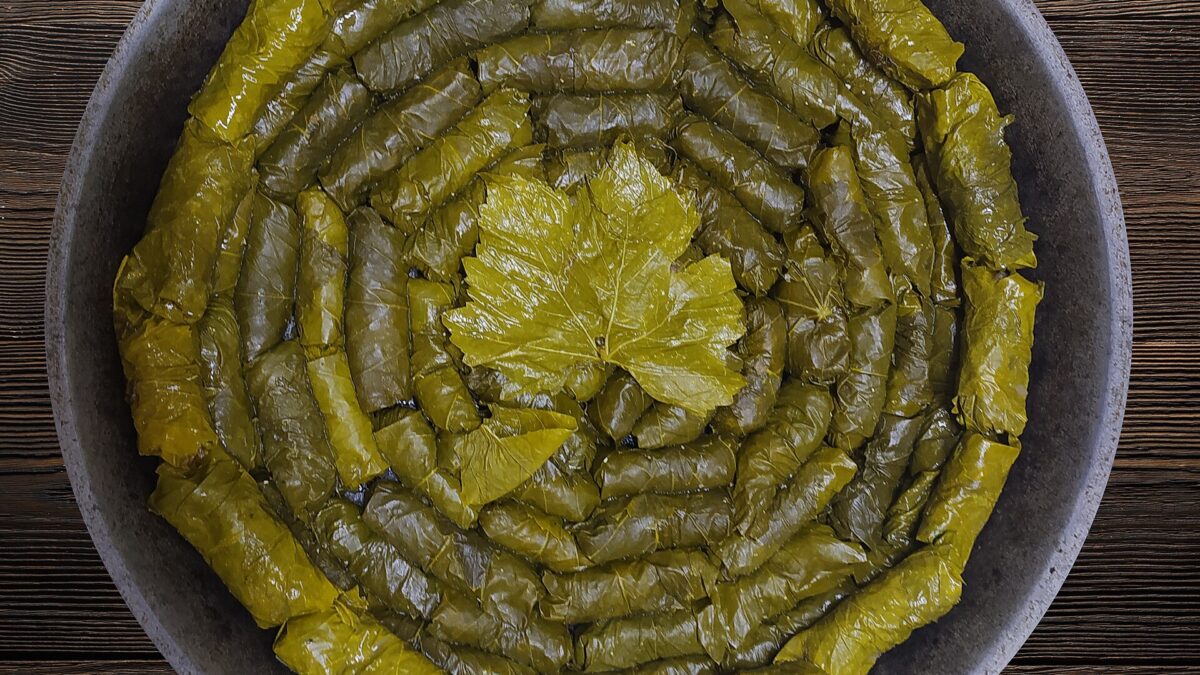
- Pasuts tolma — the meatless cousin of the famous stuffed dolma. Instead of minced meat, the vine leaves are filled with beans, lentils, chickpeas, cracked wheat, and herbs. This is the flagship vegetarian Armenian dish and it is properly good, usually served cold. Always specify “pasuts” tolma; the default tolma is meat.
- Spas — a warm soup of yogurt (matsun) and wheat, often with herbs. Filling and distinctive. It is vegetarian but not vegan because of the yogurt.
- Lentil and bean dishes — Armenian home cooking uses a lot of lentils, red beans, and chickpeas, often stewed with onion, tomato, and greens. Ask for the fasting or lentil dishes and you will usually find something.
- Grilled and roasted vegetables — grilled eggplant, peppers, and tomatoes appear alongside khorovats and are frequently served as a dish in their own right. Confirm they are cooked separately from the meat if that matters to you.
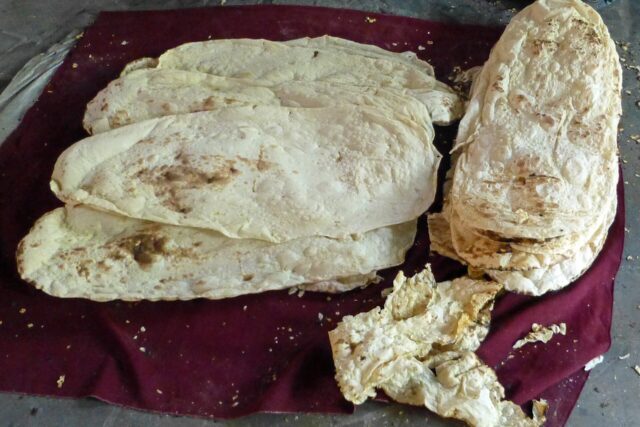
- Lavash with cheese and greens — the UNESCO-listed flatbread wrapped around fresh cheese and a bundle of herbs (tarragon, basil, coriander) is a classic light meal. Vegetarian, not vegan.
- Ghapama — a pumpkin stuffed with rice, dried fruit, and nuts, baked and served sweet. A festive dish; the standard version is meat-free.
- Salads and mezze — fresh tomato-cucumber salads, pickled vegetables (tourshi), and eggplant spreads are everywhere.
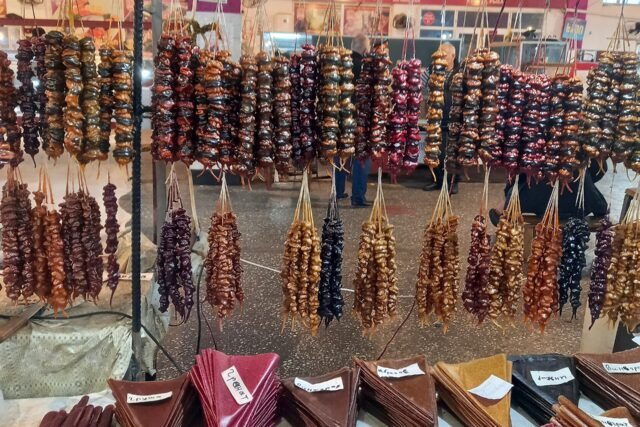
For sweets, gata (a sweet bread) and churchkhela (walnuts threaded on string and dipped in thickened grape must) are vegetarian, and churchkhela is vegan. Do not confuse sweet sujukh (the grape-and-walnut sweet) with meat sujuk — same-sounding word, completely different thing.
A word on breakfast, since it trips people up. A typical Armenian spread is friendly to vegetarians: fresh and preserved cheeses, bread, tomatoes, cucumbers, honey, jams, herbs, and eggs. It is the one meal of the day where meat is not the centrepiece, so vegetarians tend to do very well at guesthouse and hotel breakfasts without asking for anything special. Vegans should still check the cheese and egg situation and lean on the bread, fruit, and vegetables.
How do you order meatless in Armenia?
The single most useful word is pasuts (fasting or Lenten). Asking whether a dish has a pasuts version is instantly understood and signals “no meat, and often no dairy or egg either.” Beyond that, a few honest cautions:
- Tolma and dolma default to meat. If you just order “tolma,” you will get the meat one. Say pasuts tolma.
- Some soups use meat stock. A vegetable-looking soup may be built on a meat broth. Ask directly. Spas is a safe bet because it is yogurt-based.
- Khorovats is meat by definition. Some places do “vegetable khorovats” (grilled eggplant, pepper, tomato) — ask for that specifically, and check it is not grilled over the same tray drippings if you are strict.
- Harissa (a wheat porridge) is traditionally made with meat, so it is not a safe vegetarian order despite looking plain.
English is common in Yerevan restaurants aimed at visitors, less so in regional towns, so learning “pasuts” and pointing at it on a menu goes a long way. If you plan to spend most of your time in the capital, our Yerevan travel guide covers the neighbourhoods where the tourist-friendly and dedicated veg restaurants cluster.
Is it easy to be vegan in Armenia?
Vegan is harder than vegetarian, but the same pasuts tradition rescues you, because strict Lenten cooking excludes dairy and eggs as well as meat. Pasuts tolma, lentil and bean stews, grilled vegetables, tourshi pickles, and plain lavash are all naturally vegan. Churchkhela and dried apricots make good vegan snacks.
The watch-outs are the dishes that look meat-free but are not vegan: spas (yogurt), lavash-and-cheese, and anything topped with the ubiquitous fresh cheese or matsun. Butter also creeps into cooking. Your simplest move in a non-specialist restaurant is to ask for the pasuts options directly. In Yerevan, the dedicated vegan restaurants remove all doubt, and several use the word “vegan” plainly on English menus.
Self-catering is the vegan traveller’s safety net outside the capital. Markets and small groceries carry fresh fruit and vegetables, bread, nuts, and dried fruit almost everywhere, so even in a village with a single meat-focused eatery you can assemble a good meal. Armenian produce in season — tomatoes, cucumbers, greens, stone fruit — is cheap and genuinely excellent, which makes picnicking a pleasure rather than a fallback.
Where can you eat vegetarian in Yerevan?
Yerevan has a real cluster of vegetarian and vegan spots, which is unusual for the region. As of 2026, frequently recommended names include:
- Charentsi 28 — a popular fully vegan restaurant with a broad plant-based menu spanning Armenian, Lebanese, Indian, and Mediterranean dishes (reportedly, per Absolute Armenia’s Yerevan vegan guide).
- Veg & Co — vegan and vegetarian takes on familiar comfort food such as burgers, sushi, and hotdogs (reportedly, per Absolute Armenia).
- Life Food — a raw, plant-based restaurant (reportedly, per Absolute Armenia).
- Eat & Fit — a healthy cafe in the centre that is largely vegetarian, with English ingredient and nutrition labelling (reportedly, per TripAdvisor’s 2026 Yerevan vegetarian listings).
Beyond the specialists, ordinary Armenian and international restaurants in the centre can usually put together a vegetarian meal from tolma, salads, grilled vegetables, and cheese plates. Check current hours and whether a place has switched to delivery-only before you set out, since the small-restaurant scene changes. We do not take payment to list any venue; these are drawn from public 2026 guides. For fitting meals into an overall trip budget, see our Armenia travel cost and budget guide.
Tips for Indian travellers
Indian visitors are often the most nervous about food here, and the reassuring news is that Armenia’s staples map closely onto a vegetarian Indian diet: lots of lentils, beans, and chickpeas; plenty of bread (lavash); fresh cheese; grilled and stewed vegetables; and rice-based dishes. You will not go hungry as a vegetarian. A few practical notes:
- Spice level is mild. Armenian food is savoury and herb-forward rather than chilli-hot. If you want heat, carry your own chilli or ask, and do not expect the spice intensity of Indian cooking.
- There is Indian food in Yerevan. As of 2026, well-reviewed Indian restaurants include Indian Mehak, Saathi, India Palace, and Pitara, several with clearly labelled vegetarian and vegan sections (reportedly, per TripAdvisor and HappyCow listings). Handy for a night when you want dal, paneer, and proper spice.
- Learn “pasuts.” It is the fastest way to communicate “no meat” and often “no dairy or egg” too, which matters for Jain or strict-vegetarian travellers.
- Snacks are excellent and vegetarian. Armenia is famous for apricots, other stone fruit, walnuts, and churchkhela — cheap at any market and useful for long day trips.
- Budget. A simple vegetarian restaurant meal is roughly 3,800 AMD (around INR 1,000; USD 11), and self-catering from markets is cheaper still. Last verified: July 2026.
Indian passport holders should also note that Armenia is not visa-free for India and needs an e-visa arranged in advance — separate from food, but worth flagging. If you are planning the trip end to end, our roundup of the best things to do in Armenia pairs well with this. More dish-by-dish detail lives in our food and wine section.
Prices and restaurant details are point-in-time and change; treat them as a guide and confirm locally. Last verified: July 2026. Sources: thearmeniaguides.com Armenia fact-base 2026; Absolute Armenia vegan and vegetarian Yerevan guide; TripAdvisor and HappyCow Yerevan listings (2026).
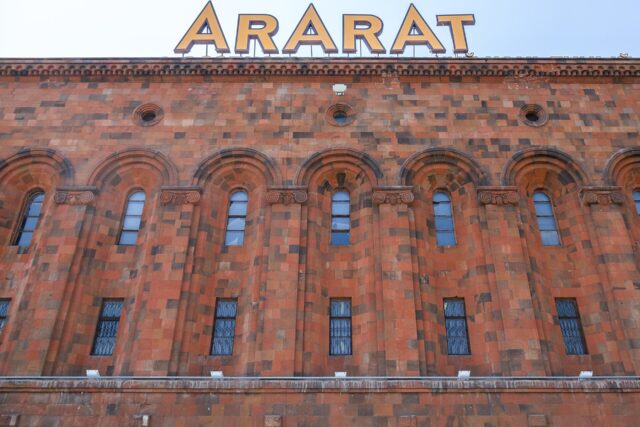
Featured image: Beko (CC BY-SA 4.0) via Wikimedia Commons
Sources: For official, up-to-date information, see Armenia’s official tourism board (armenia.travel). Last verified: July 2026.