Armenian wine centres on Areni, a village in the Vayots Dzor region about 120 km southeast of Yerevan, where the indigenous Areni Noir grape has been grown for millennia. The nearby Areni-1 cave holds the world’s oldest known winery, roughly 6,100 years old. You can taste the results at family cellars and modern estates strung along the Vayots Dzor Wine Route, most within a short drive of the cave.
This is not marketing gloss. Armenia has a genuine claim to being one of the oldest winemaking cultures on Earth, and unlike a lot of “ancient tradition” travel copy, the evidence is sitting in a cave you can walk into. What follows is how the history holds up, what the wine actually tastes like, which wineries welcome visitors, and how to build a realistic day trip around it all.
How old is Armenian wine, and what is Areni-1?
The short answer: about 6,100 years old. In 2007, archaeologists excavating the Areni-1 cave at the mouth of the Noravank Gorge uncovered a clay wine press, fermentation vats, storage jars, and grape remains dating to roughly 4100 BC, the Late Chalcolithic period. That makes it the oldest known winery on the planet by a margin of about a thousand years over the next-oldest site, according to the team’s findings published through National Geographic and summarised on Wikipedia’s Areni-1 entry.
The same cave complex earlier produced another headline find: a well-preserved leather moccasin dated to around 5,500 years ago, described as the world’s oldest known leather shoe. So Areni-1 is a double record-holder, and both discoveries came from the same unremarkable-looking hillside above the Arpa River.
A note of honesty for anyone planning the visit. The cave itself is an archaeological site, not a polished museum. There is not a great deal of on-site interpretation, and the actual artefacts are held in collections in Yerevan. Go for the history and the gorge scenery, keep expectations modest, and pair it with a winery tasting so the day earns its drive. The cave sits directly across from the road up to Noravank monastery, which is the more visually dramatic stop of the two.
What is Areni wine, and what does Areni Noir taste like?
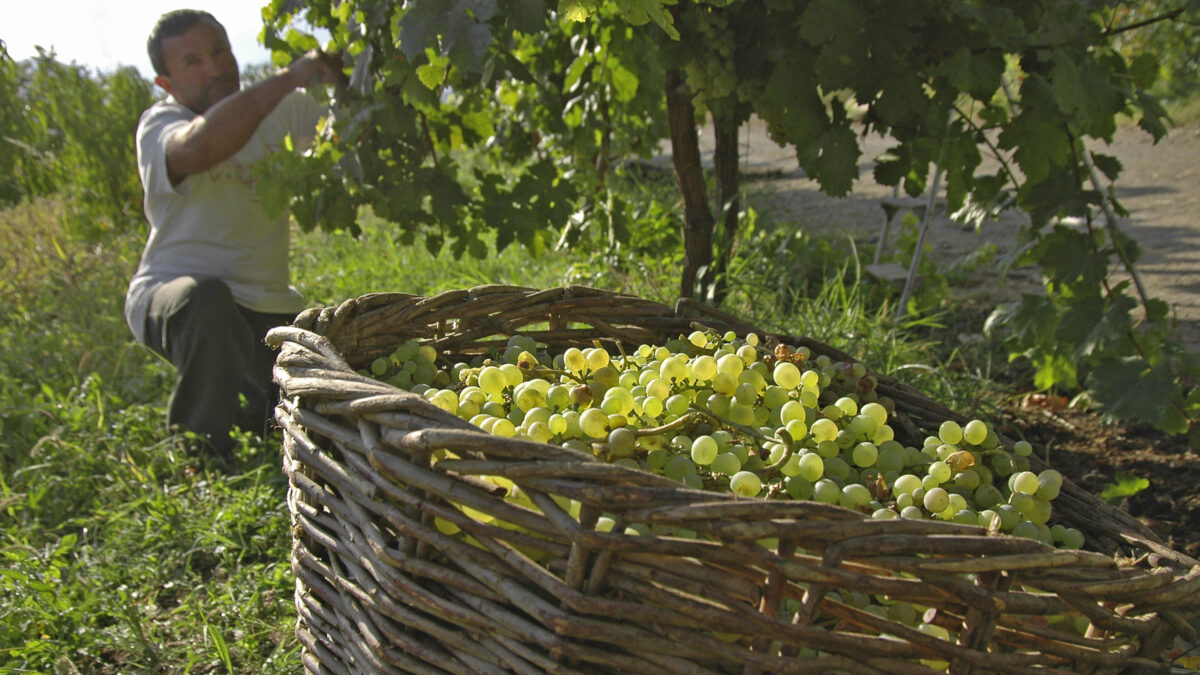
Areni Noir is Armenia’s flagship indigenous red grape, native to Vayots Dzor and named after the village. It has been cultivated in this high-altitude terrain, much of it above 1,000 metres, for thousands of years, and it survives Armenia’s cold winters without being buried, which is unusual for a European-style vine. The wines are typically light to medium in body, high in acidity, with red-fruit and spice character and relatively soft tannins. Wine writers often reach for comparisons to Pinot Noir or Nebbiolo, though Areni is genuinely its own thing.
You will also meet Voskehat, the leading indigenous white grape, sometimes called the “queen of Armenian grapes,” which turns up as a crisp dry white and in blends. Some producers ferment and age in karas, traditional buried clay vessels, which links the modern bottle back to the vats found in Areni-1. The Forbes wine coverage from 2025 is a good primer on why the industry leans so hard on these native varieties rather than planting international grapes.
Our honest editorial read: the Armenian wine revival is young. The Soviet era pushed the country toward brandy and bulk production, and serious estate bottling only took off in the last 15-odd years. Quality varies more than in an established region. The best producers are very good and increasingly export-worthy; the roadside homemade stuff ranges from charming to rough. Taste before you buy, and treat a mixed bag as part of the experience rather than a disappointment.
Where can you taste wine in the Areni and Vayots Dzor region?
Tastings cluster in and around Areni village along the Vayots Dzor Wine Route. Most wineries ask you to book at least 24 hours ahead rather than dropping in, and a tasting typically runs about 1.5 hours. Prices vary by producer and how many wines you sample; expect a few thousand AMD per person as a working guide, and confirm the current figure when you reserve. Last verified: July 2026. Here are the names worth knowing, with what each is known for.
| Winery | Known for | Visits / tastings |
|---|---|---|
| Hin Areni | One of Armenia’s best-regarded estates; biodynamic Areni Noir and Voskehat | Tours of vineyard and cellar with a tasting of several wines |
| Trinity Canyon Vineyards | Indigenous varieties, karas/terracotta vessels; chief winemaker trained in Montpellier | Tasting plus winemaking talk; reserve ahead (approx 11:00-19:00) |
| Old Bridge Winery | Boutique family estate since 1998; small annual production | Tastings paired with local goat cheese and honey; book 24h ahead |
| Momik Wines | Family winery; won “Best Homemade Wine” at the festival before going pro | Tastings at the “Winecube” area with food and hospitality |
| Zorah Wines | Internationally acclaimed “Karasi” Areni aged in clay; near Rind village | Prestige producer; visits by arrangement, less walk-up friendly |
Details drawn from the Advantour winery directory, the National Geographic wine-tour guide, and Absolute Armenia’s Areni guide. If you only have time for one, Hin Areni and Trinity Canyon Vineyards are the two most reliably set up for visitors and the easiest to reach from the main highway. Zorah is the connoisseur’s pick but is more of a by-appointment operation than a casual stop.
Can you taste wine in Yerevan instead?
Yes, and it is a sensible fallback if you cannot get down to Vayots Dzor. Yerevan’s wine district around Saryan Street is lined with wine bars pouring Areni Noir, Voskehat and bottles from across the country by the glass. It is the low-effort way to sample the range without the 120 km drive, though you obviously miss the vineyards and the cave.
When is the Areni Wine Festival?
The Areni Wine Festival takes place in early October, usually the first Saturday and Sunday of the month, when the village turns into an open-air tasting ground. Hundreds of local winemakers set up alongside the established wineries, and there is food, folk music and dancing. It is the single best day to sample the widest spread of Armenian wine in one place, homemade and commercial side by side. Last verified: July 2026 — confirm the exact dates for the year you travel, as they shift with the calendar.
Timing works in your favour here. Early October is peak autumn in Armenia, coinciding with the grape harvest and some of the clearest weather of the year, which also makes it a strong window for the rest of the country. If you are already sketching a trip around the festival, our guide to the best time to visit Armenia lays out the seasons in detail.
How do you do an Armenian wine tour from Yerevan?
Areni is about 120 km southeast of Yerevan, roughly a two-hour drive down the main southern highway. Public transport is awkward for a wine-focused day because tastings need pre-booking and the wineries are spread out, so realistically you have three options.
- Organised wine tour. The simplest choice. Day tours from Yerevan bundle two or three winery tastings and handle the driving, which matters when alcohol is the point. This is the option most visitors take.
- Private driver or taxi. Hire a car with driver for the day so nobody in your group has to stay sober. More flexible than a group tour, a bit pricier.
- Self-drive. Fine if you have a designated non-drinking driver, but pointless otherwise given the whole trip is about tasting.
The smart move is to combine it with the classic southern circuit rather than driving all that way for wine alone. Areni sits on the same road as Noravank monastery in its red-cliff gorge, and many people also fold in Khor Virap, the monastery with the famous Mount Ararat view, on the way down or back. A typical day looks like Khor Virap in the morning for the clearest Ararat light, Noravank and the Areni-1 cave around midday, and a winery tasting to finish. Our day trips from Yerevan piece maps out how these stops fit together, and the wine day slots neatly into a broader list of things to do in Armenia.
Armenian wine is not the same as ARARAT brandy
Worth clearing up, because the two get confused constantly. Wine is the Areni story: still red and white made from indigenous grapes in Vayots Dzor. ARARAT is a brandy, a distilled spirit produced by the Yerevan Brandy Company in the capital, famous partly because Winston Churchill was a devotee. They are different drinks, made in different places, by different processes. A brandy factory tour in Yerevan and a wine tasting in Areni are two separate experiences, and if you have the time, both are worth doing. For where wine fits into the wider Armenian table, see our Armenian food guide.
Frequently asked questions
Where is the world’s oldest winery?
The world’s oldest known winery is the Areni-1 cave in Armenia’s Vayots Dzor region, near the village of Areni, about 120 km southeast of Yerevan at the entrance to the Noravank Gorge. Excavated in 2007, its wine press and vats date to roughly 4100 BC, around 6,100 years old.
What is Areni wine?
Areni wine is made from Areni Noir, an indigenous Armenian red grape native to Vayots Dzor. It is typically light to medium-bodied with high acidity, red-fruit and spice notes and soft tannins, and is often compared to Pinot Noir. The grape is named after the village of Areni, home to the world’s oldest winery.
Where can you taste wine in Armenia?
The heart of Armenian wine tasting is Areni village and the Vayots Dzor Wine Route, where wineries such as Hin Areni, Trinity Canyon Vineyards, Old Bridge and Momik welcome visitors, usually with 24-hour advance booking. If you cannot travel south, Yerevan’s Saryan Street wine bars pour Armenian wines by the glass.
When is the Areni Wine Festival?
The Areni Wine Festival is held in early October, typically the first weekend of the month, in Areni village. Hundreds of homemade and commercial winemakers set up tastings alongside food, music and dancing. Confirm the exact dates for your travel year, as they move with the calendar. Last verified: July 2026.
How much does wine tasting cost in Areni?
Prices vary by winery and the number of wines sampled, but budget roughly a few thousand AMD per person, with tastings usually running about 1.5 hours. Most wineries ask you to reserve at least 24 hours in advance. Confirm the current price when you book. Last verified: July 2026.
Featured image: Narek75 (CC BY-SA 4.0) via Wikimedia Commons