Jermuk is Armenia’s best-known spa town, a mountain resort at about 2,080 metres in the southern province of Vayots Dzor, roughly 170 km southeast of Yerevan. People come for warm mineral springs, a 70-metre waterfall on the Arpa River, a public drinking gallery where you sample the water, and cooler summer air. The name itself comes from the Armenian jerm, meaning warm.
That single word explains the whole town. Long before it was a resort, the hot springs bubbling out of the gorge gave the place its identity. The Soviet system turned those springs into an industry of sanatoriums and bottling plants, and much of that infrastructure still runs today. What Jermuk is not is a dense sightseeing hub. It is a slow, restful stop that rewards a night or two, and it pairs naturally with a trip further south. Below is how to get there, what to actually do, and an honest read on whether it belongs on your route.
How do you get to Jermuk from Yerevan?
Jermuk sits about 170 km southeast of Yerevan, and the drive takes roughly 2.5 to 3 hours on the paved Yerevan–Yeraskh–Vayk–Jermuk highway. Public transport is slower because the marshrutka (minibus) makes many stops.
- Marshrutka: Minibuses run from Yerevan’s Kilikia Central Bus Station, the main hub for southern and southwestern routes. Budget around 5 hours door to door, and confirm the daily departure time locally the day before — schedules on this route are thin and change seasonally.
- Taxi or private transfer: A one-way car runs roughly 22,000–28,000 AMD (about USD 60–75) depending on the driver and season. Split between three or four people it becomes reasonable, and it cuts the journey to under three hours.
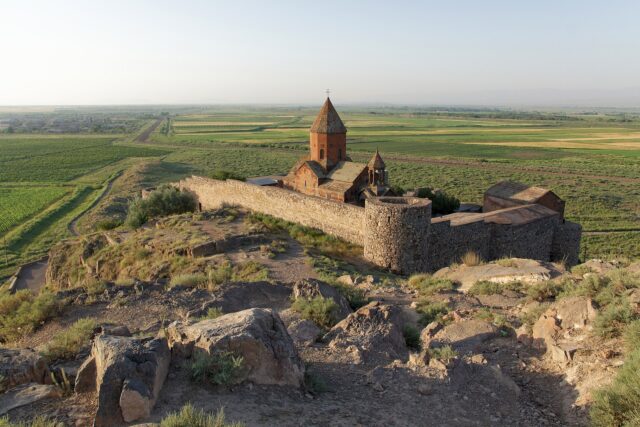
- Day tour: Many Yerevan operators bundle Jermuk with Khor Virap, Noravank or the Kechut reservoir. It is a long day for a lot of driving, but it is the easiest way to see the town without booking your own transport.
Because the road runs south, Jermuk fits neatly into a longer southern loop rather than a quick out-and-back. If you are working out how minibuses, shared taxis and car hire actually function here, our guide to getting around Armenia covers the practicalities. Last verified: July 2026 — reconfirm fares and departure times the week you travel.
What is the Jermuk Waterfall?
The Jermuk Waterfall drops about 70 metres on the Arpa River, which makes it one of the tallest in Armenia. Locals call it the “Mermaid’s Hair” after a folk legend about a girl cursed to become a mermaid, her flowing hair becoming the cascade.
Here is the honest caveat travel brochures skip: the fall is wide and delicate rather than a single thundering column, and its volume changes with the season. After snowmelt in late spring it looks its best; by late summer it can thin out. The viewing area sits below town in the gorge, and reaching the base involves a walk down and back up — not difficult, but wear real shoes. If you are chasing a dramatic single-drop waterfall, temper expectations. If you like a quiet forest walk to a pretty cascade, it delivers.
Where do you drink Jermuk mineral water?
You drink it at the town’s Gallery of Water (the drinking gallery), a public pavilion near the central artificial lake. Inside, a row of carved metal spigots pours natural spring water at increasing temperatures, reportedly from around 30°C up to about 57°C, and sampling all of them is free.
The idea is a genuine local ritual, not a tourist gimmick: you taste the water cool, then warmer, straight from the source. Do not expect it to taste like the bottled version on shop shelves. Warm mineral water carries a distinct mineral, faintly sulphurous edge that surprises most first-timers. That bottled brand, by the way, is a real business. The first Jermuk mineral water factory opened in 1951, and the Jermuk Group has run large-scale bottling since 1999, exporting the label internationally.
The spa and sanatorium culture
Jermuk’s spa story is a Soviet story. The first sanatorium opened in 1962, a second in 1963, and a dedicated mineral-water spa centre in 1966, turning the town into a medical-tourism destination for the whole USSR. Guests came on doctor-prescribed courses for digestive, nervous and joint conditions, treated with the mineral waters over stays of a week or more.
Today the picture is mixed and worth setting expectations for. Some sanatoriums have been renovated into modern wellness hotels with massages, thermal pools and treatments; others still carry a distinctly faded, mid-century institutional feel. Neither is wrong — they are just very different experiences. If you want a polished spa weekend, read recent hotel reviews carefully before booking, because the range here is wide.
What is there to do in Jermuk?
Beyond the water, Jermuk is a small town with a handful of genuine attractions and a lot of mountain air. The highlights are easy to cover in a full day or a relaxed two.
- The cable car (ropeway): A short ropeway, roughly one kilometre long, climbs to about 2,480 metres for a 10-minute ride and views over the town and gorge. In winter it doubles as a ski lift serving the local runs.
- Kechut Reservoir: About 10 km from town on the Arpa, this reservoir feeds the region and makes a calm spot for a stop or a short walk. In season a local marshrutka shuttles between the bus station and the reservoir roughly hourly.
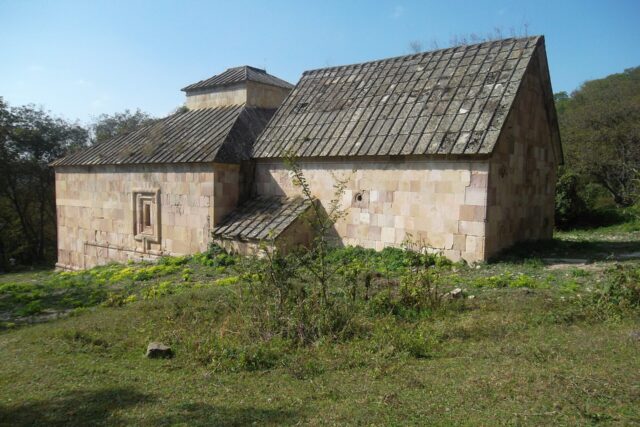
- Gndevank Monastery: A 10th-century monastery about 7 km down a twisting road in the gorge below town. It is a worthwhile half-day loop, but hire a taxi and ask the driver to wait — marshrutkas will not, and hitching back can eat your afternoon.
- Hot springs and hikes: Small natural springs sit outside town, and the surrounding forest and river make for easy walking. For serious trekking, this is not a trailhead town, but casual walks are pleasant.
The town centres on a small artificial lake ringed by hotels and the drinking gallery, and the whole place is walkable in an afternoon. One practical note tied to the altitude: at just over 2,000 metres, arriving straight from Yerevan can leave you a touch short of breath on the climb back up from the waterfall. It is nothing to worry about for most people, but take the first afternoon slowly. For where Jermuk ranks against Armenia’s bigger draws, see our roundup of the best things to do in Armenia.
When is the best time to visit Jermuk?
Late spring through early autumn is the sweet spot. At 2,080 metres, Jermuk stays noticeably cooler than Yerevan, which is exactly why Armenians escape here in the summer heat. The waterfall runs fullest after the late-spring snowmelt, and September brings mild, clear days.
Winter flips the town into a small ski destination via the ropeway, so a cold-weather visit is viable if snow sport is the point. For a general spa stop, aim for June to September. Our month-by-month breakdown in the best time to visit Armenia guide helps you slot Jermuk into the wider seasonal picture.
Is Jermuk worth visiting, and where does it fit?
Jermuk is worth it if you treat it as a rest stop, not a headline destination. It is a place to slow down between more intense sightseeing days — drink the waters, ride the cable car, walk to the falls, sleep well in the cool air. Travellers expecting a packed itinerary of world-class monuments will find it quiet.
Geographically it sits in Vayots Dzor, the same province as the Areni wine villages and Noravank, and on the way toward Syunik and the far south. That makes it a natural pause on a southern road trip rather than a standalone day trip from Yerevan — the drive is simply too long to justify there and back in a day unless you take a tour. Many travellers combine it with the wine country (our Armenian wine guide covers the Areni region), or use it as a first-night breather before pushing on to Goris and Khndzoresk deeper south. Browse the full region in our destinations section.
Our honest call: skip Jermuk if your Armenia trip is short and monument-focused. Include it if you have a week or more, are driving south anyway, and value a genuine slow day. As a spa town it is authentic rather than luxurious — and that is precisely its appeal.
Featured image: Dav Sargsyan (CC BY-SA 4.0) via Wikimedia Commons
Sources: Verify the latest specifics with Armenia’s official tourism board (armenia.travel). Last verified: July 2026.