Yerevan’s food scene is compact, walkable, and generous with value. Almost everything worth eating sits inside the central Kentron district, so you rarely need a plan more complicated than picking a neighbourhood and wandering in. A sit-down meal at an ordinary restaurant runs roughly 3,000–4,000 AMD (about $8–11), a khorovats-heavy tavern dinner closer to 5,000–10,000 AMD a head, and a coffee-and-pastry stop under 1,500 AMD. Cards work almost everywhere in the centre, tipping is around 10%, and the hardest part is pacing yourself.
This guide is about the dining scene — which areas to head for, what kind of place suits which meal, and what things actually cost — rather than a list of named restaurants that change owners and menus every year. For the dishes themselves, see our Armenian food guide; this page is about where and how to eat them.
How does dining in Yerevan actually work?
Most of the eating happens in Kentron (the centre), the ring of streets around Republic Square, pedestrianised Northern Avenue, the cafe-and-wine strip of Saryan Street, and the Cascade area to the north. You can walk between all of them in twenty minutes. Because the city is small and competitive, quality at the mid-range is high and prices stay reasonable by European standards.
A few habits are worth knowing. Armenians eat dinner late, and taverns fill up from about 8pm. Portions are large, mezze-style starters are the norm, and bread (lavash) usually arrives without asking. Menus in the centre are almost always in English as well as Armenian and Russian. Rates hover around 370–385 AMD to the US dollar, so a quick rule of thumb is to divide any AMD price by roughly 375 for a dollar figure.
What nobody tells first-timers: the terraces directly on Republic Square and the busiest stretch of Northern Avenue are the weakest value in the city. You pay a premium for the location and get cooking aimed at tourists who will not return. Walk one or two streets back and the same dishes are cheaper and usually better, cooked for a local crowd. The best-value dinner in Yerevan is almost never the restaurant with the loudest terrace and the most photos of the food outside.
Where should I eat in Yerevan by area?
Each central district has a personality. Matching the meal to the area is the easiest way to eat well without a reservation.
Kentron and around Republic Square
The streets fanning out from Republic Square — Abovyan, Amiryan, Tumanyan, Pushkin — hold the widest spread of restaurants, from tourist-facing terraces to serious Armenian kitchens a block back from the fountains. This is the safe bet for a first dinner: taverns serving khorovats, restaurants doing full Armenian and Georgian menus, plus international options. Prices climb a little on the square itself, where you are partly paying for the view of the singing fountains, and drop as you move onto side streets. Good for: your first proper Armenian dinner, groups, and late kitchens.
Northern Avenue
The pedestrian boulevard linking Republic Square to the Opera is lined with cafes and casual restaurants with outdoor seating. It is busy, central, and priced for the passing crowd, so it is better for a mid-afternoon coffee, a people-watching lunch, or a dessert stop than for a value dinner. Good for: coffee, brunch, and a break between sights.
Saryan Street — the wine district
The stretch of Saryan Street near the Opera has become Yerevan’s informal wine quarter, with a run of small wine bars pouring Armenian labels by the glass. This is where to try wine from the Areni grape and other indigenous varieties without committing to a trip south to the vineyards. Expect small plates — cheese, cured meats, dolma — designed to go with the wine rather than full mains. Good for: an evening of Armenian wine and light bites. See our Armenian wine guide for what to order.
The Cascade area
Around the Cascade complex and the Opera you will find cafes, ice-cream spots, and relaxed restaurants with a younger, arty feel. It pairs naturally with a morning climbing the Cascade steps. Good for: coffee with a view, casual lunch, and dessert.
Markets: GUM and Vernissage
For something rougher and cheaper, the GUM Market is a covered food market where vendors sell dried fruit, nuts, spices, cheese, pickles, and sujukh (walnut-and-grape-must sweets), usually with a taste offered before you buy. The Vernissage weekend flea market nearby has food stalls alongside the crafts. Neither is a sit-down restaurant, but both are excellent for grazing, picnic supplies, and edible souvenirs. Good for: snacks, gifts, and seeing where locals shop.
What kinds of places will I choose between?
Knowing the format helps you read a street at a glance. Breakfast, for reference, is usually a cafe or bakery affair rather than a big spread — coffee, a pastry or filled bread, sometimes eggs — since many hotels include a modest breakfast and restaurants open properly for lunch onward.
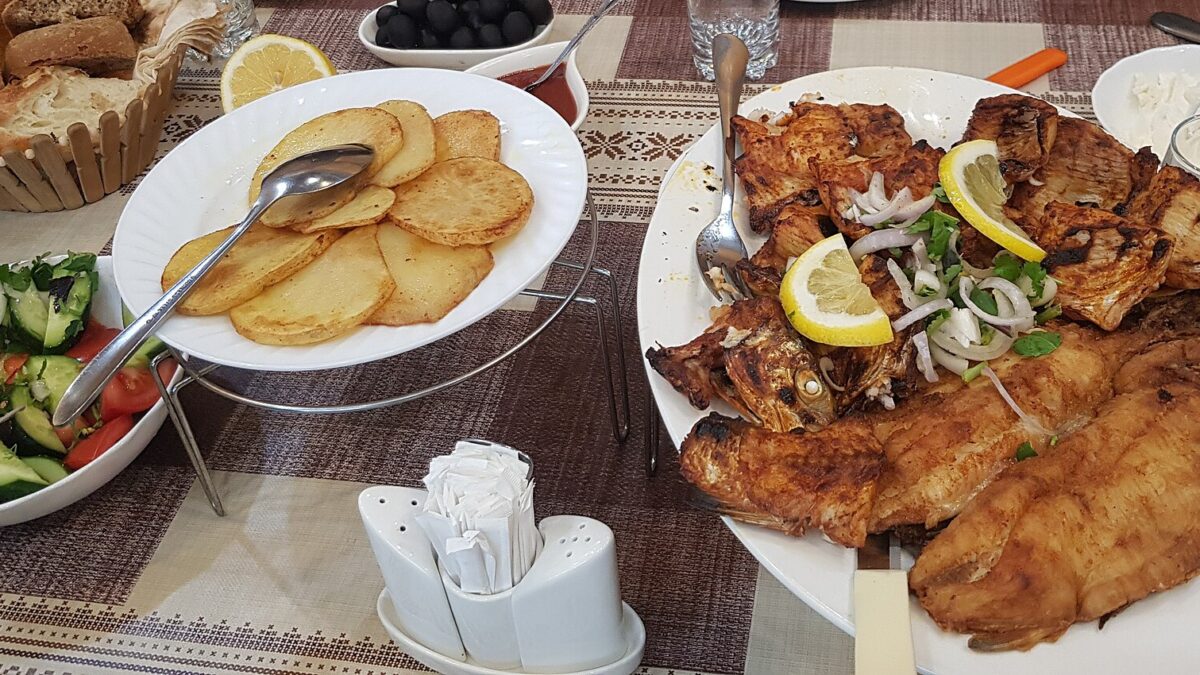
- Taverns (for khorovats): the go-to for grilled meat, the national favourite. Expect skewers of pork, chicken, or veal grilled over wood, brought with grilled vegetables, herbs, and lavash. Loud, social, and best shared. Our food guide covers the cuts and how khorovats is ordered.
- Cafes: everywhere, and central to daily life. Order an Armenian coffee (thick, unfiltered, served in a small cup) or a Western espresso, usually with a pastry. Good for breakfast and afternoon breaks.
- Wine bars: concentrated on Saryan Street, focused on Armenian wine by the glass with small plates.
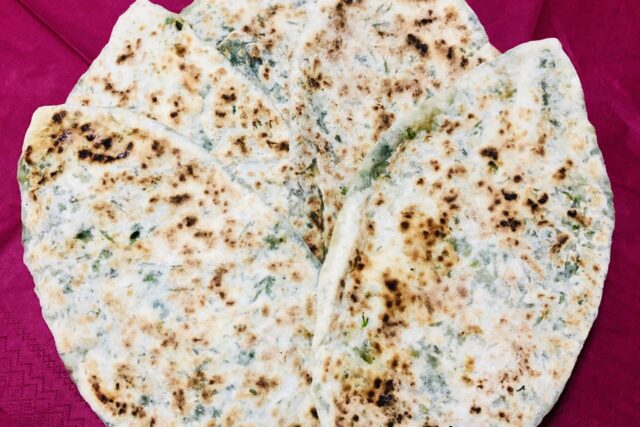
- Bakeries: quick, cheap, and easy to miss. Look for gata (a sweet cake), fresh lavash, and cheese- or greens-filled breads for a few hundred dram — a lunch that costs less than a coffee.
- Markets and street food: GUM Market and stalls for grazing, plus fast-food combos around 2,900 AMD when you want something quick.
How much does eating out in Yerevan cost?
Prices are volatile, so treat these as bands rather than fixed figures. All are per person unless noted, and drinks (especially wine and brandy) add up fast on top of a dinner bill.
| Where / what | Rough cost (AMD) | Rough cost (USD) |
|---|---|---|
| Coffee at a cafe | 500–1,000 | ~$1.50–3 |
| Bakery snack (gata, filled lavash) | a few hundred–1,000 | under $3 |
| Fast-food combo | ~2,900 | ~$8 |
| Meal at an inexpensive restaurant | ~3,800 | ~$11 |
| Main course, sit-down restaurant | 1,500–8,000 | ~$4–22 |
| Khorovats plate at a tavern | 3,500–8,000 | ~$9–22 |
| Mid-range dinner (excl. alcohol) | 5,000–10,000 | ~$14–27 |
How to choose within that range: a backpacker can eat well on bakeries, market food, and one cheap restaurant meal a day. A mid-range traveller should budget for one tavern or full-restaurant dinner plus casual lunches and coffees. The upscale end — tasting menus, wine pairings, hotel restaurants — exists but is a small slice of the scene, and you get better value at an unpretentious neighbourhood tavern than at the flashiest terrace on the square. For a full daily budget, see our Armenia travel cost guide.
Is Yerevan good for vegetarians?
Better than many first-time visitors expect. Armenia has a genuine meat-free tradition through pasuts (Lenten) cooking: pasuts tolma (dolma stuffed with beans, lentils, and grains instead of meat), spas (a yogurt-and-wheat soup — check it is the meat-free version), lentil and bean dishes, grilled vegetables, and lavash with cheese and fresh herbs. Yerevan also has several dedicated vegetarian and vegan restaurants, mostly in Kentron.
One practical warning: say “pasuts” or clearly ask for meatless, because some soups and fillings use meat stock even when they look vegetable-based. Our vegetarian food in Armenia guide lists the dishes to ask for by name.
Practical tips for eating out
- Tipping: around 10% is normal and appreciated. Check whether a service charge is already on the bill before adding more.
- Cash and cards: Visa and Mastercard are widely accepted across central Yerevan, but carry some dram for markets, bakeries, and small cafes, and for anywhere outside the capital, which is largely cash-based.
- Timing: lunch is quiet, dinner is late. Book ahead only for popular taverns on weekend nights or if you are a large group.
- Ordering: starters and salads are meant to be shared; two or three between a table plus mains is plenty. Bread and sometimes small extras arrive automatically and may appear on the bill.
- Drinks: local wine and ARARAT brandy are the things to try; imported spirits are pricier and less interesting here.
For how the food scene fits into the rest of a city visit, see our Yerevan travel guide.
Last verified: September 2026. Prices are point-in-time and shift; confirm current figures locally. Sources: armenia.travel (official tourism portal); BudgetYourTrip — Armenia cost data; Exchange-Rates.org (USD/AMD).
Frequently asked questions
How much should I budget per meal in Yerevan?
A meal at an inexpensive restaurant runs roughly 3,800 AMD (about $11), a khorovats plate at a tavern 3,500–8,000 AMD, and a mid-range dinner excluding alcohol around 5,000–10,000 AMD per person. Coffee is 500–1,000 AMD and a bakery snack can be under 1,000 AMD.
Which area of Yerevan is best for dinner?
The streets around Republic Square and the wider Kentron centre have the widest choice, from khorovats taverns to full Armenian restaurants, and are the safest bet for a first dinner. Saryan Street near the Opera is the spot for Armenian wine with small plates.
Can you eat vegetarian in Yerevan?
Yes. Armenia’s pasuts (Lenten) tradition gives you meat-free dolma, bean and lentil dishes, grilled vegetables, and lavash with cheese and herbs, and Yerevan has dedicated vegetarian and vegan restaurants. Ask for dishes to be “pasuts” or meatless, as some stocks use meat.
Do restaurants in Yerevan take cards?
Cards (Visa and Mastercard) are widely accepted in central Yerevan restaurants and cafes. Carry some Armenian dram for markets, bakeries, small cafes, and anywhere outside the capital, which is largely cash-based.
How much do you tip in Yerevan?
Around 10% is standard and appreciated. Check the bill first, as some restaurants already add a service charge.
Where can I try Armenian wine in Yerevan?
Saryan Street near the Opera is the city’s informal wine district, with small wine bars pouring Armenian labels — including wine from the indigenous Areni grape — by the glass, usually alongside cheese and small plates.
Featured image: Armineaghayan, CC BY-SA 4.0 — via Wikimedia Commons.